In recent years, the partnership between the U.S. Immigration and Customs Enforcement (ICE) and the National Guard has garnered significant attention, particularly in urban areas like Chicago. This collaboration aims to bolster immigration enforcement efforts, reflecting a broader national trend toward stricter immigration policies.
As you delve into this topic, you will discover the complexities and implications of this partnership, which intertwines national security, local governance, and community dynamics. The collaboration between ICE and the National Guard is not merely a logistical arrangement; it represents a shift in how immigration enforcement is approached in cities with large immigrant populations. By leveraging the resources and personnel of the National Guard, ICE seeks to enhance its operational capabilities.
This partnership raises critical questions about the role of military forces in domestic law enforcement and the impact on communities that are already navigating the challenges of immigration status and integration.
Key Takeaways
- The partnership between ICE and the National Guard aims to enhance immigration control efforts.
- Chicago has a long history of immigration control dating back to the early 20th century.
- ICE plays a crucial role in enforcing immigration laws and deporting undocumented immigrants.
- The National Guard has been increasingly involved in immigration control operations, particularly at the southern border.
- The new partnership between ICE and the National Guard is driven by the need for additional resources and support in immigration enforcement.
History of immigration control in Chicago
Chicago has a long and intricate history regarding immigration control, shaped by waves of newcomers seeking refuge and opportunity. The city has been a sanctuary for immigrants from various backgrounds, contributing to its rich cultural tapestry. However, this welcoming stance has often been met with tension as federal immigration policies have fluctuated over the decades.
You may find it interesting that Chicago’s history of immigration control reflects broader national trends, where local attitudes toward immigrants can shift dramatically based on political climates. In the late 20th century, Chicago became a focal point for immigration debates, particularly during periods of heightened enforcement. The establishment of sanctuary policies in the 1980s aimed to protect undocumented immigrants from deportation, fostering a sense of safety within immigrant communities.
However, as federal enforcement intensified in the 21st century, local authorities faced pressure to cooperate with ICE, leading to a complex relationship between city officials and federal agencies. Understanding this historical context is crucial as you explore the current partnership between ICE and the National Guard.
Role of ICE in immigration enforcement
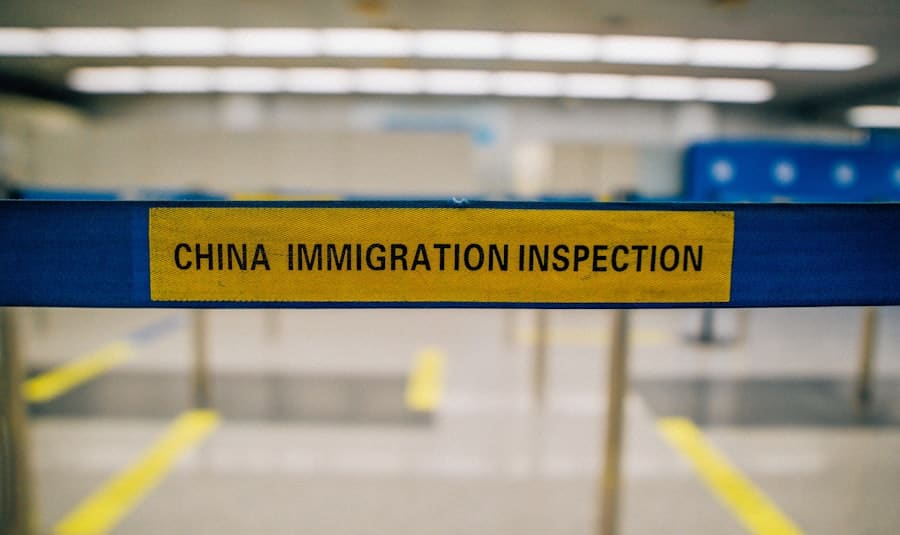
ICE plays a pivotal role in enforcing U.S. immigration laws, tasked with identifying, apprehending, and deporting individuals who are in the country unlawfully. As you consider ICE’s responsibilities, it’s essential to recognize that its operations extend beyond mere enforcement; they also encompass investigations into human trafficking, visa fraud, and other criminal activities related to immigration.
This multifaceted approach underscores the agency’s commitment to national security while simultaneously raising concerns about civil liberties and community trust. In Chicago, ICE’s presence has been felt acutely, particularly in neighborhoods with high immigrant populations. The agency conducts raids and operations that often lead to fear and anxiety among residents.
You may find it striking that these actions can create a chilling effect on community engagement, as individuals may hesitate to report crimes or seek assistance from local services due to fears of deportation. This dynamic complicates the relationship between law enforcement and immigrant communities, highlighting the need for a nuanced understanding of ICE’s role in immigration enforcement.
Role of National Guard in immigration control
The National Guard’s involvement in immigration control represents a significant shift in how military resources are utilized within domestic contexts. Traditionally tasked with responding to natural disasters and supporting civil authorities during emergencies, the National Guard’s deployment for immigration enforcement raises questions about militarization and its implications for civil rights. As you explore this topic, consider how the National Guard’s role intersects with local law enforcement and federal agencies like ICE.
In recent years, the National Guard has been called upon to assist ICE in various capacities, including surveillance operations and logistical support during enforcement actions. This partnership aims to enhance operational efficiency but also blurs the lines between military and civilian law enforcement. You might find it concerning that such collaborations can lead to increased tensions within communities already grappling with issues of trust and safety.
The presence of military personnel in neighborhoods can evoke feelings of fear rather than security, complicating the narrative around public safety.
Reasons for the new partnership between ICE and National Guard
The partnership between ICE and the National Guard has emerged from a confluence of factors, including heightened national security concerns and evolving immigration policies. As you examine these reasons, consider how political pressures at both state and federal levels have influenced this collaboration. The current administration’s focus on stricter immigration enforcement has prompted agencies to seek innovative solutions to address perceived gaps in border security and interior enforcement.
Moreover, resource constraints within ICE have necessitated partnerships with other agencies to bolster operational capabilities. The National Guard offers a pool of trained personnel who can assist in various roles without the need for extensive additional funding or training. This pragmatic approach may seem efficient on the surface; however, it raises ethical questions about the appropriateness of using military resources for civilian law enforcement purposes.
As you reflect on these motivations, think about how they align with broader societal values regarding justice and equity.
Concerns and criticisms surrounding the partnership
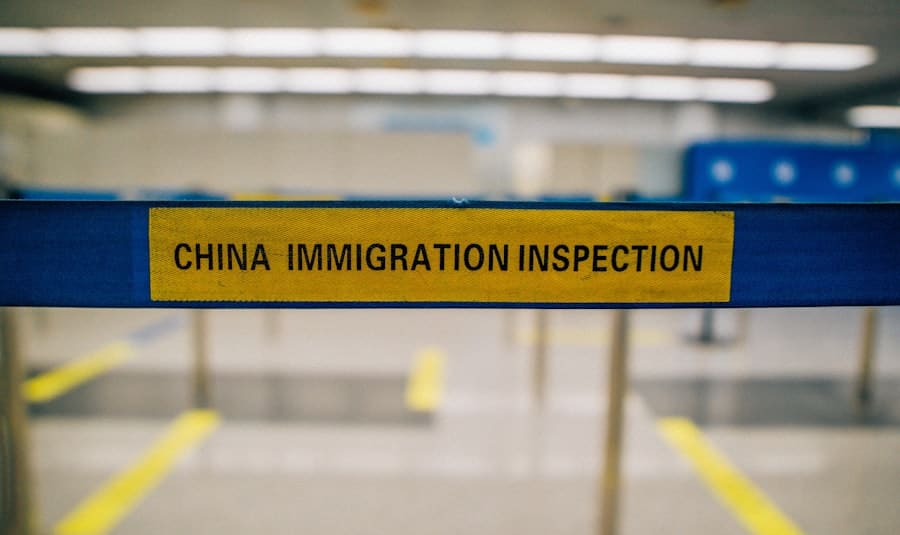
The partnership between ICE and the National Guard has not been without its critics. Many community advocates express deep concerns about the potential for increased racial profiling and civil rights violations as military personnel engage in immigration enforcement activities. You may find it alarming that such collaborations can exacerbate existing fears within immigrant communities, leading to further isolation and distrust of law enforcement agencies.
Additionally, critics argue that deploying the National Guard for immigration control undermines the principles of community policing and public safety. When military personnel are perceived as enforcers rather than protectors, it can create an environment where individuals feel unsafe seeking help or reporting crimes. This dynamic poses significant challenges for community cohesion and public trust in law enforcement institutions.
As you consider these criticisms, reflect on how they resonate with broader discussions about justice and equity in society.
Potential impact on immigrant communities in Chicago
The impact of the ICE and National Guard partnership on immigrant communities in Chicago is profound and multifaceted. For many individuals living in these communities, the presence of military personnel conducting immigration enforcement operations can instill fear and anxiety. You might find it disheartening that families may feel compelled to alter their daily routines or avoid public spaces due to concerns about being targeted by authorities.
Moreover, this partnership can have ripple effects on community organizations that provide essential services to immigrants. As fear permeates these neighborhoods, individuals may hesitate to seek medical care, legal assistance, or educational opportunities. This reluctance can hinder integration efforts and perpetuate cycles of marginalization within immigrant populations.
As you explore these potential impacts, consider how they reflect broader societal challenges related to inclusion and belonging.
Legal and ethical considerations of using National Guard for immigration control
The legal and ethical implications of utilizing the National Guard for immigration control are complex and contentious. You may find it intriguing that while federal law allows for military support in certain domestic situations, there are strict limitations on their involvement in law enforcement activities. The Posse Comitatus Act restricts the use of federal military personnel for domestic policing unless specifically authorized by Congress or the Constitution.
Ethically, deploying military resources for immigration enforcement raises questions about accountability and oversight. You might ponder whether military personnel are adequately trained to navigate the nuanced social dynamics present in immigrant communities or if their involvement could lead to escalated tensions. As you reflect on these legal frameworks and ethical dilemmas, consider how they shape public perceptions of justice and fairness within society.
Response from local government and community leaders
Local government officials and community leaders have responded to the partnership between ICE and the National Guard with a mix of concern and resistance. Many city officials have voiced their opposition to increased militarization of immigration enforcement, emphasizing the need for policies that prioritize community safety over punitive measures. You may find it noteworthy that some leaders advocate for sanctuary policies that protect vulnerable populations from deportation while fostering trust between law enforcement and immigrant communities.
Community organizations have also mobilized in response to this partnership, organizing protests and advocacy campaigns aimed at raising awareness about its implications. These grassroots efforts highlight the resilience of immigrant communities as they navigate challenges posed by federal policies. As you consider these responses, think about how they reflect broader movements for social justice and equity within urban environments.
Comparison to similar partnerships in other cities
The partnership between ICE and the National Guard is not unique to Chicago; similar collaborations have emerged in other cities across the United States. You might find it interesting to explore how cities like Phoenix or San Antonio have engaged military resources in immigration enforcement efforts. Each city’s context shapes how these partnerships manifest, influenced by local demographics, political climates, and community responses.
In some cases, these partnerships have led to increased tensions between immigrant communities and law enforcement agencies, mirroring concerns raised in Chicago. However, there are also instances where local governments have pushed back against such collaborations, advocating for policies that prioritize community trust over militarized approaches to immigration control. As you analyze these comparisons, consider what lessons can be drawn from different cities’ experiences regarding effective strategies for fostering inclusive communities.
Future implications and potential developments of the ICE and National Guard partnership
Looking ahead, the future implications of the ICE and National Guard partnership remain uncertain but undoubtedly significant. As national conversations around immigration continue to evolve, you may find it essential to monitor how this partnership adapts to changing political landscapes and public sentiment. The potential for increased militarization of immigration enforcement raises critical questions about civil liberties and community safety that will likely persist in public discourse.
Moreover, as community organizations continue to advocate for immigrant rights and protections, you might anticipate shifts in local policies aimed at countering federal initiatives perceived as harmful or unjust. The resilience of immigrant communities will play a crucial role in shaping future developments surrounding this partnership. As you reflect on these potential trajectories, consider how they intersect with broader movements for social justice and equity within society at large.
In conclusion, understanding the partnership between ICE and the National Guard requires a nuanced exploration of historical contexts, community dynamics, legal frameworks, and ethical considerations. As you engage with this topic further, think critically about its implications for immigrant communities in Chicago and beyond while recognizing the ongoing struggles for justice faced by marginalized populations across the nation.
In light of the recent developments regarding ICE and the National Guard’s new partnership in Chicago’s immigration control, it’s essential to consider the broader community impact and resources available to residents. One such resource is the network of community centers and cultural hubs throughout the city, which play a crucial role in supporting and integrating immigrant communities. These centers offer a variety of services, from language classes to legal assistance, helping to foster a more inclusive environment. For more information on these vital community resources, you can explore this article on community centers and cultural hubs in Chicago.
FAQs
What is the partnership between ICE and the National Guard in Chicago’s immigration control?
The partnership between ICE (U.S. Immigration and Customs Enforcement) and the National Guard in Chicago’s immigration control involves joint efforts to enforce immigration laws and secure the border.
What are the roles of ICE and the National Guard in this partnership?
ICE is responsible for enforcing immigration laws within the United States, while the National Guard provides support in areas such as surveillance, transportation, and infrastructure construction along the border.
How does this partnership impact immigration control in Chicago?
This partnership aims to enhance border security and immigration enforcement in Chicago by leveraging the resources and expertise of both ICE and the National Guard.
Are there any legal or ethical concerns surrounding this partnership?
Some critics have raised concerns about the potential militarization of immigration enforcement and the impact on immigrant communities. Additionally, there are legal considerations regarding the roles and limitations of the National Guard in domestic law enforcement.