In recent months, Lurie Children’s Hospital has released significant findings regarding the alarming rise in pediatric respiratory illnesses. As a parent or caregiver, you may have noticed an increase in respiratory issues among children, and this trend has been confirmed by healthcare professionals. The hospital’s research highlights not only the prevalence of these illnesses but also the underlying factors contributing to their surge.
Understanding these findings is crucial for you as it can help you better navigate the health landscape for your child. The data collected by Lurie Children’s Hospital serves as a wake-up call for families and healthcare providers alike. It emphasizes the need for increased awareness and proactive measures to protect children from respiratory ailments.
By delving into the common illnesses, their causes, and the impact of recent global events, you can equip yourself with the knowledge necessary to safeguard your child’s health.
Key Takeaways
- Lurie Children’s Hospital has found a concerning rise in pediatric respiratory illnesses.
- Common pediatric respiratory illnesses include asthma, bronchiolitis, pneumonia, and croup.
- Possible causes for the rise in pediatric respiratory illnesses include air pollution, tobacco smoke, and viral infections.
- COVID-19 has had a significant impact on pediatric respiratory illnesses, leading to an increase in cases and severity.
- Symptoms of pediatric respiratory illnesses can vary, and treatment may include medications, breathing treatments, and in severe cases, hospitalization.
Common pediatric respiratory illnesses
Pediatric respiratory illnesses encompass a range of conditions that can affect your child’s ability to breathe comfortably. Among the most common are viral infections such as bronchiolitis, pneumonia, and asthma exacerbations. Bronchiolitis, often caused by respiratory syncytial virus (RSV), typically affects infants and young children, leading to wheezing and difficulty breathing.
Pneumonia, on the other hand, can be bacterial or viral and may present with fever, cough, and chest pain. Asthma, a chronic condition, can be triggered by various factors including allergens and environmental irritants, leading to recurrent episodes of wheezing and shortness of breath. Understanding these illnesses is essential for you as a caregiver.
Recognizing the symptoms early can lead to timely intervention and treatment. For instance, if your child exhibits signs of wheezing or persistent coughing, it’s important to consult a healthcare professional promptly. By being aware of these common respiratory conditions, you can take proactive steps to ensure your child’s well-being.
Possible causes for the rise in pediatric respiratory illnesses
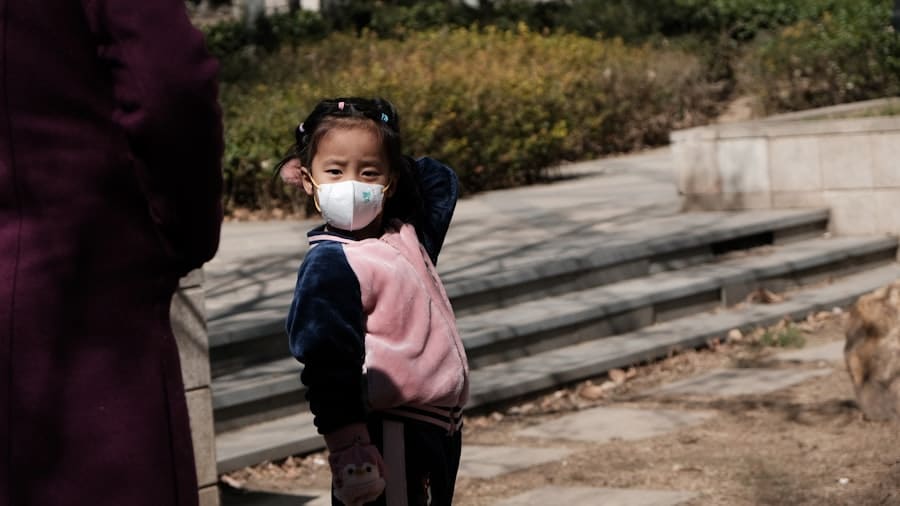
Several factors contribute to the increasing incidence of pediatric respiratory illnesses. One significant cause is the changing environment, including air pollution and climate change, which can exacerbate respiratory conditions in children. As a caregiver, you may find it concerning that pollutants in the air can trigger asthma attacks or lead to other respiratory issues.
Additionally, indoor air quality plays a crucial role; exposure to tobacco smoke, mold, and dust mites can significantly impact your child’s respiratory health. Another factor is the resurgence of certain viral infections that were previously under control. The COVID-19 pandemic has altered the landscape of infectious diseases, leading to shifts in immunity among children.
With many children having missed routine vaccinations and exposure to common viruses during lockdowns, their immune systems may not be as prepared to fight off respiratory infections. This situation underscores the importance of understanding how these factors intertwine and affect your child’s health.
Impact of COVID-19 on pediatric respiratory illnesses
The COVID-19 pandemic has had a profound impact on pediatric respiratory health. Initially, many parents observed a decrease in common respiratory illnesses during lockdowns due to social distancing measures and increased hygiene practices. However, as restrictions eased, there was a notable uptick in cases of respiratory infections among children.
This phenomenon can be attributed to several factors, including reduced exposure to pathogens during lockdowns leading to lower immunity levels. Moreover, COVID-19 itself has introduced new challenges in managing pediatric respiratory illnesses. While most children experience mild symptoms if infected with the virus, some may develop complications that affect their respiratory systems.
As a parent or caregiver, it’s essential to stay informed about the potential long-term effects of COVID-19 on children’s health. Understanding these implications can help you make informed decisions regarding your child’s healthcare needs.
Symptoms and treatment of pediatric respiratory illnesses
Recognizing the symptoms of pediatric respiratory illnesses is vital for timely intervention. Common symptoms include coughing, wheezing, difficulty breathing, fever, and fatigue. If your child exhibits any combination of these symptoms, it’s crucial to seek medical advice promptly.
Early diagnosis can lead to more effective treatment options and prevent complications from arising. Treatment for pediatric respiratory illnesses varies depending on the specific condition and its severity. For viral infections like bronchiolitis or pneumonia, supportive care is often recommended, including hydration and rest.
In some cases, bronchodilators or corticosteroids may be prescribed to alleviate symptoms associated with asthma or severe wheezing. As a caregiver, understanding the treatment options available can empower you to advocate for your child’s health effectively.
Tips for preventing pediatric respiratory illnesses
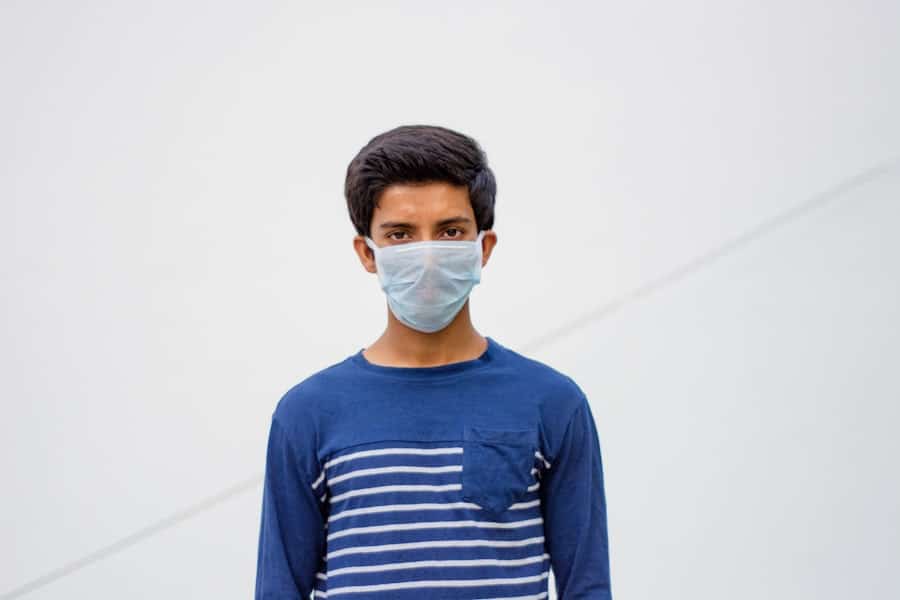
Prevention is key when it comes to safeguarding your child from respiratory illnesses. One of the most effective strategies is promoting good hygiene practices. Encourage your child to wash their hands frequently with soap and water, especially before meals and after being in public spaces.
Teaching them to cover their mouth when coughing or sneezing can also help reduce the spread of germs. Additionally, maintaining a clean indoor environment is crucial for preventing respiratory issues. Regularly dusting and vacuuming can minimize allergens such as dust mites and pet dander that may trigger asthma symptoms.
You might also consider using air purifiers to improve indoor air quality. By implementing these preventive measures, you can create a healthier environment for your child.
Importance of seeking medical attention for pediatric respiratory illnesses
As a parent or caregiver, understanding when to seek medical attention for your child’s respiratory issues is essential. If your child experiences difficulty breathing, persistent high fever, or worsening symptoms despite home care measures, it’s important to consult a healthcare professional immediately. Early intervention can prevent complications and ensure that your child receives appropriate treatment.
Moreover, regular check-ups with your child’s pediatrician can help monitor their respiratory health over time. These visits provide an opportunity for you to discuss any concerns you may have regarding your child’s breathing or overall health. By staying proactive about your child’s healthcare needs, you can help ensure they remain healthy and thriving.
Lurie Children’s Hospital’s response to the rise in pediatric respiratory illnesses
In response to the rising incidence of pediatric respiratory illnesses, Lurie Children’s Hospital has implemented several initiatives aimed at addressing this pressing issue. The hospital has increased its outreach efforts to educate families about common respiratory conditions and their management. By providing resources and information, they aim to empower parents like you with the knowledge needed to recognize symptoms early and seek appropriate care.
Additionally, Lurie Children’s Hospital has expanded its services to accommodate the growing number of children presenting with respiratory issues. This includes increasing staffing levels in emergency departments and outpatient clinics dedicated to treating respiratory conditions. Their commitment to providing comprehensive care ensures that children receive timely interventions when they need them most.
Advice for parents and caregivers of children with respiratory illnesses
If your child has been diagnosed with a respiratory illness, there are several steps you can take as a parent or caregiver to support their health and well-being. First and foremost, adhere closely to any treatment plans prescribed by healthcare professionals. This may include administering medications as directed and attending follow-up appointments regularly.
Additionally, creating a supportive home environment is crucial for your child’s recovery. Ensure they have access to plenty of fluids and rest while encouraging them to engage in light activities as tolerated. Monitoring their symptoms closely will also help you identify any changes that may require medical attention.
By being proactive in your approach, you can play an integral role in managing your child’s respiratory health.
The role of vaccinations in preventing pediatric respiratory illnesses
Vaccinations play a critical role in preventing many pediatric respiratory illnesses. Vaccines protect against various pathogens that can lead to serious infections such as pneumonia and influenza. As a caregiver, ensuring that your child receives all recommended vaccinations on schedule is one of the most effective ways to safeguard their health.
In light of recent findings from Lurie Children’s Hospital regarding rising respiratory illnesses, staying up-to-date with vaccinations has never been more important. Vaccines not only protect your child but also contribute to community immunity by reducing the spread of infectious diseases among peers. Discussing vaccination schedules with your child’s healthcare provider can help ensure they are adequately protected against preventable illnesses.
Conclusion and future outlook for pediatric respiratory health
As we look ahead, it is clear that addressing pediatric respiratory health requires a multifaceted approach involving education, prevention, and timely medical intervention. The findings from Lurie Children’s Hospital serve as an important reminder of the challenges facing our children today regarding respiratory illnesses. By staying informed about common conditions and their management strategies, you can play an active role in protecting your child’s health.
The future outlook for pediatric respiratory health hinges on continued research and community awareness efforts aimed at reducing the incidence of these illnesses. As parents and caregivers become more educated about prevention strategies and treatment options, we can collectively work towards creating healthier environments for our children. Together with healthcare providers like Lurie Children’s Hospital, we can strive for a future where pediatric respiratory illnesses are less prevalent and manageable when they do occur.
Lurie Children’s Hospital has reported a significant rise in pediatric respiratory illnesses this summer, a trend that has raised concerns among healthcare professionals and parents alike. This increase in respiratory cases highlights the importance of understanding the broader health landscape in Chicago, where various factors contribute to public health challenges. For those interested in the influential figures shaping the city’s identity and potentially impacting public health policies, an article on influential personalities in Chicago provides valuable insights. Understanding the roles these individuals play can offer a deeper perspective on how the city addresses such health issues.
FAQs
What is Lurie Children’s Hospital?
Lurie Children’s Hospital is a pediatric specialty hospital located in Chicago, Illinois. It is affiliated with the Northwestern University Feinberg School of Medicine and is ranked among the top children’s hospitals in the United States.
What are pediatric respiratory illnesses?
Pediatric respiratory illnesses are conditions that affect the respiratory system in children. This can include illnesses such as asthma, bronchiolitis, pneumonia, and other respiratory infections.
What is the significance of the rise in pediatric respiratory illnesses at Lurie Children’s Hospital?
The rise in pediatric respiratory illnesses at Lurie Children’s Hospital is significant because it may indicate a potential increase in respiratory illnesses among children in the community. This could have implications for public health and may require additional resources and attention to address.
What are the possible causes of the rise in pediatric respiratory illnesses this summer?
The rise in pediatric respiratory illnesses this summer could be due to a variety of factors, including changes in weather patterns, increased exposure to allergens, circulation of respiratory viruses, or other environmental factors.
What steps can parents take to protect their children from respiratory illnesses?
Parents can take steps to protect their children from respiratory illnesses by ensuring they receive regular vaccinations, practicing good hand hygiene, avoiding exposure to tobacco smoke, and seeking medical attention promptly if their child develops respiratory symptoms.