As you navigate the bustling streets of Chicago, you may not realize the extent to which artificial intelligence (AI) is reshaping public safety in your city. The integration of AI technologies into law enforcement and emergency services is revolutionizing how safety is managed, making it more efficient and proactive. In a city known for its vibrant culture and diverse communities, the application of AI in public safety is not just a technological advancement; it represents a commitment to creating a safer environment for all residents.
The use of AI in public safety is multifaceted, encompassing everything from crime prediction to emergency response. As you delve deeper into this topic, you will discover how these innovations are not only enhancing the capabilities of law enforcement but also fostering a sense of security among citizens. The potential for AI to analyze vast amounts of data and provide actionable insights is transforming the landscape of public safety in Chicago, making it a model for other cities to follow.
Key Takeaways
- AI is being used in Chicago to enhance public safety through crime prediction, real-time analysis, surveillance, emergency response, traffic management, predictive maintenance, risk assessment, resource allocation, and communication.
- AI-powered crime prediction and prevention tools are being utilized to identify potential crime hotspots and prevent criminal activities before they occur.
- Real-time crime analysis and response systems are helping law enforcement agencies to quickly respond to incidents and allocate resources more effectively.
- AI-enabled surveillance and monitoring technologies are being used to enhance public safety by monitoring public spaces and identifying potential threats.
- AI is being used to improve emergency response by analyzing data and providing real-time information to first responders, leading to faster and more effective interventions.
AI-Powered Crime Prediction and Prevention
Imagine walking through your neighborhood, knowing that law enforcement agencies are equipped with advanced AI tools that can predict potential criminal activity before it occurs. This is not a distant dream but a reality in Chicago, where AI-powered crime prediction systems analyze historical crime data, social media trends, and environmental factors to identify hotspots for criminal activity. By leveraging these insights, police departments can allocate resources more effectively, deploying officers to areas where they are most needed.
The predictive capabilities of AI extend beyond mere statistics; they also incorporate community feedback and real-time data. As you engage with your local community, you may notice how police departments are increasingly using AI to foster collaboration with residents. This proactive approach not only helps in preventing crime but also builds trust between law enforcement and the communities they serve.
By involving citizens in the process, AI becomes a tool for empowerment rather than just surveillance.
Real-Time Crime Analysis and Response
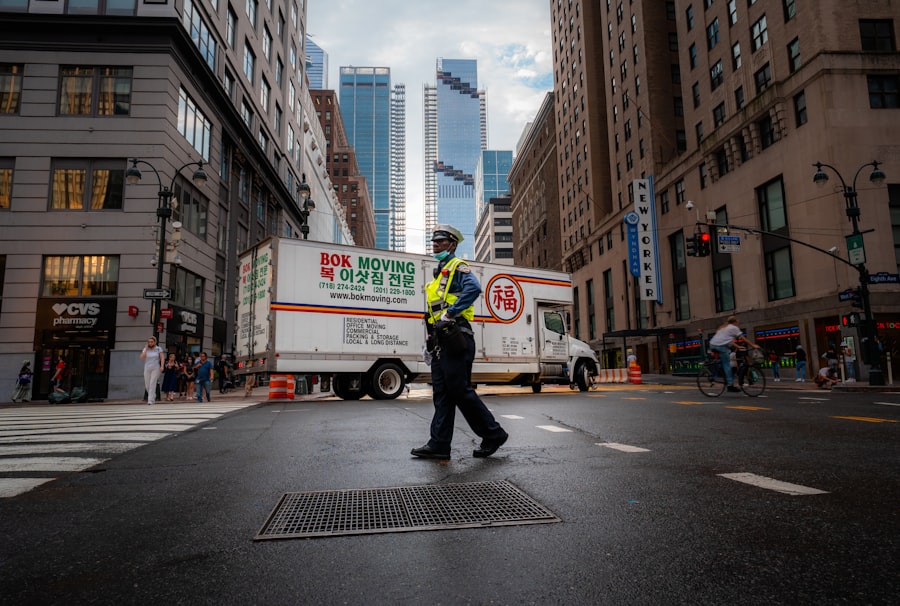
In an age where every second counts, the ability to analyze crime data in real-time can make a significant difference in public safety. Chicago’s law enforcement agencies are harnessing AI to process information from various sources, including 911 calls, social media reports, and surveillance footage. This real-time analysis allows officers to respond more swiftly and effectively to incidents as they unfold.
As you consider the implications of this technology, think about how it enhances situational awareness for first responders. With AI-driven tools at their disposal, officers can receive alerts about ongoing incidents, enabling them to make informed decisions on the ground. This capability not only improves response times but also enhances the overall effectiveness of law enforcement efforts.
You may find comfort in knowing that your safety is being prioritized through these innovative approaches.
AI-Enabled Surveillance and Monitoring
Surveillance has long been a contentious issue in discussions about public safety, but AI is changing the narrative. In Chicago, AI-enabled surveillance systems are being deployed to monitor public spaces more intelligently. These systems can analyze video feeds in real-time, identifying suspicious behavior or potential threats without overwhelming human operators with unnecessary data.
As you walk through parks or busy streets, you might notice the presence of cameras equipped with advanced AI algorithms. These systems can distinguish between normal activities and those that may require intervention, allowing law enforcement to focus their attention where it is most needed. This targeted approach not only enhances public safety but also addresses concerns about privacy by reducing the amount of footage that needs to be reviewed by human eyes.
Enhancing Emergency Response with AI
When emergencies arise, every moment matters. Chicago’s emergency response teams are increasingly turning to AI to streamline their operations and improve outcomes for those in need. By utilizing AI algorithms that analyze historical data and current conditions, emergency services can optimize their response strategies, ensuring that help arrives as quickly as possible.
Consider how AI can assist in dispatching resources during a crisis. By evaluating factors such as traffic patterns, weather conditions, and the nature of the emergency, AI can recommend the most efficient routes for ambulances or fire trucks. This level of precision not only saves time but can also be the difference between life and death in critical situations.
As you reflect on this technology’s impact, you may feel reassured knowing that your city is investing in tools that prioritize rapid and effective emergency response.
AI-Powered Traffic Management for Safer Streets

Navigating Chicago’s busy streets can be a challenge, but AI is stepping in to make traffic management smarter and safer. By analyzing real-time traffic data from various sources—such as sensors, cameras, and GPS—AI systems can optimize traffic flow and reduce congestion. This not only enhances the driving experience but also contributes to overall public safety.
Imagine a scenario where traffic lights adjust dynamically based on current conditions, minimizing wait times and reducing the likelihood of accidents. With AI-powered traffic management systems in place, you may find that your daily commute becomes smoother and less stressful. Additionally, these systems can identify patterns that lead to accidents, allowing city planners to implement changes that enhance road safety for all users.
Predictive Maintenance for Public Safety Infrastructure
Public safety infrastructure requires constant attention and maintenance to function effectively. In Chicago, AI is being utilized for predictive maintenance of critical infrastructure such as bridges, roads, and public transportation systems. By analyzing data from sensors embedded in these structures, AI can predict when maintenance is needed before issues arise.
As you traverse the city, consider how this proactive approach can prevent accidents caused by infrastructure failures. For instance, if an aging bridge shows signs of wear through AI analysis, maintenance crews can be dispatched before a potential collapse occurs. This not only protects lives but also saves taxpayers money by addressing issues before they escalate into costly repairs or disasters.
AI-Based Risk Assessment and Resource Allocation
Effective resource allocation is crucial for maintaining public safety in a city as large as Chicago. AI-based risk assessment tools are helping law enforcement agencies identify areas that require more attention or resources based on various risk factors. By analyzing crime trends, socioeconomic data, and community feedback, these tools provide valuable insights that inform decision-making.
As you engage with your community or attend local meetings, you may notice how these assessments shape discussions about resource distribution. Law enforcement can prioritize areas with higher crime rates or specific needs, ensuring that resources are allocated where they will have the most significant impact. This data-driven approach fosters transparency and accountability within public safety initiatives.
Improving Public Safety Communication with AI
Effective communication is essential for fostering trust between law enforcement and the community. In Chicago, AI is being leveraged to enhance communication strategies between police departments and residents. Through chatbots and automated messaging systems, citizens can receive timely updates about local safety issues or community events.
Imagine receiving alerts about neighborhood watch meetings or updates on crime trends directly through your smartphone. These AI-driven communication tools empower you to stay informed and engaged with your community’s safety initiatives. By facilitating open lines of communication, AI helps bridge the gap between law enforcement and residents, creating a collaborative environment focused on public safety.
Ethical Considerations and Challenges of AI in Public Safety
While the benefits of AI in public safety are significant, ethical considerations must also be addressed. As you explore this topic further, it’s essential to recognize the potential risks associated with surveillance technologies and predictive policing. Concerns about privacy invasion and algorithmic bias are at the forefront of discussions surrounding AI implementation in law enforcement.
As a resident of Chicago, you may find yourself grappling with questions about how data is collected and used by authorities. Ensuring transparency in AI systems is crucial for maintaining public trust. Engaging in community dialogues about these ethical challenges can help shape policies that prioritize both safety and civil liberties.
Future of AI in Public Safety in Chicago
Looking ahead, the future of AI in public safety in Chicago appears promising yet complex. As technology continues to evolve, so too will its applications within law enforcement and emergency services. You may witness further advancements in predictive analytics, machine learning algorithms, and community engagement tools that enhance public safety efforts.
However, as these technologies develop, it will be essential for stakeholders—including city officials, law enforcement agencies, and community members—to collaborate on best practices for implementation. By fostering an environment of innovation while addressing ethical concerns, Chicago can set a precedent for other cities seeking to harness the power of AI for public safety. In conclusion, as you reflect on the integration of AI into public safety initiatives in Chicago, consider how these advancements are shaping your experience as a resident.
From crime prediction to emergency response enhancements, AI is transforming the landscape of public safety in ways that prioritize both efficiency and community engagement. Embracing these technologies while remaining vigilant about ethical considerations will be key to ensuring a safer future for all Chicagoans.
In recent years, Chicago has emerged as a leader in integrating artificial intelligence to enhance public safety, utilizing advanced technologies to improve emergency response times and crime prevention strategies. This innovative approach is part of a broader trend in the city, which is also becoming a central hub for business innovation. For more insights into how Chicago is fostering a culture of technological advancement and entrepreneurship, you can read the related article on Chicago City: The Hub of Business Innovation in Illinois. This article explores the various initiatives and developments that are positioning Chicago as a key player in the tech and business sectors.
FAQs
What is AI?
AI, or artificial intelligence, refers to the simulation of human intelligence in machines that are programmed to think and act like humans. This includes tasks such as learning, problem-solving, and decision-making.
How is AI being used to enhance public safety in Chicago?
AI is being used in Chicago to analyze data and predict potential crime hotspots, improve emergency response times, and enhance surveillance capabilities. This allows law enforcement to allocate resources more effectively and respond to incidents more efficiently.
What are some specific AI technologies being used in Chicago for public safety?
Some specific AI technologies being used in Chicago for public safety include predictive analytics software to forecast crime trends, gunshot detection systems to identify and locate gunfire incidents, and facial recognition technology to aid in identifying suspects.
What are the potential benefits of using AI for public safety in Chicago?
The potential benefits of using AI for public safety in Chicago include reducing crime rates, improving emergency response times, enhancing overall public safety, and increasing the efficiency of law enforcement operations.
Are there any concerns or criticisms regarding the use of AI for public safety in Chicago?
Some concerns and criticisms regarding the use of AI for public safety in Chicago include issues related to privacy, bias in AI algorithms, and potential misuse of surveillance technologies. It is important to address these concerns and ensure that AI is used responsibly and ethically.