Zoning is a critical aspect of urban planning that dictates how land can be used within a community. It involves the division of land into zones, each designated for specific purposes such as residential, commercial, industrial, or agricultural use. By establishing these regulations, zoning aims to promote organized development, protect property values, and ensure that land use aligns with the community’s overall vision.
As you navigate your own neighborhood, you may not realize how zoning laws shape the environment around you, influencing everything from the types of businesses that can operate nearby to the density of housing in your area. Understanding zoning is essential because it directly affects your quality of life. For instance, if you live in a residential zone, you might appreciate the peace and quiet that comes with it, but you may also find it frustrating if there are no nearby amenities or services.
Conversely, living in a commercial zone might offer convenience but could also mean dealing with noise and traffic. By grasping the nuances of zoning, you can better advocate for your needs and preferences within your community, ensuring that development aligns with your vision for a livable environment.
Key Takeaways
- Zoning regulations dictate land use and development in a community, impacting everything from housing to businesses.
- Zoning decisions can have a significant impact on property values, community character, and quality of life in neighborhoods.
- Local political leaders play a crucial role in shaping zoning decisions and must balance the needs of various stakeholders.
- Key players in ward-level zoning showdowns include developers, residents, business owners, and community organizations.
- Community activism can influence zoning battles by raising awareness, mobilizing support, and advocating for specific outcomes.
The Impact of Zoning Decisions on Neighborhoods
Zoning decisions can have profound effects on neighborhoods, shaping their character and functionality. When local governments decide to rezone an area, they can either enhance or diminish the community’s appeal. For example, converting a residential area into a commercial zone can lead to increased traffic and noise, which may disrupt the tranquility that residents value.
On the other hand, introducing mixed-use developments can create vibrant spaces where people live, work, and play, fostering a sense of community and encouraging local businesses. Moreover, zoning decisions can influence property values significantly. If an area is rezoned to allow for higher-density housing or commercial development, property values may rise as demand increases.
This can be beneficial for homeowners looking to sell but may also lead to challenges for renters and lower-income residents who find themselves priced out of their neighborhoods. Understanding these dynamics is crucial for you as a resident, as it allows you to engage in discussions about zoning changes that could impact your home and community.
The Role of Local Political Leaders in Zoning Decisions

Local political leaders play a pivotal role in shaping zoning policies and decisions. Elected officials often have the power to propose changes to zoning laws or approve new developments that align with their vision for the community. As a resident, you may find that these leaders are your primary point of contact when advocating for or against zoning changes.
Their decisions can reflect the interests of their constituents or be influenced by external pressures such as developers or business interests. Engaging with local political leaders is essential for ensuring that your voice is heard in zoning matters. Attending town hall meetings or participating in public forums allows you to express your concerns and preferences directly to those in power.
By building relationships with these leaders, you can help shape the future of your neighborhood and ensure that zoning decisions reflect the needs and desires of the community.
Identifying the Key Players in Ward-Level Zoning Showdowns
In any ward-level zoning showdown, several key players emerge who influence the outcome of decisions. These include local government officials, planning commissions, neighborhood associations, and developers. Each group has its own interests and priorities, which can lead to conflicts or collaborations during zoning discussions.
As you become more involved in your community’s zoning issues, it’s important to identify these players and understand their motivations. Local government officials often hold significant power in zoning decisions, but they are not the only voices at the table. Planning commissions typically consist of appointed members who review zoning proposals and make recommendations to elected officials.
Neighborhood associations represent the interests of residents and can mobilize community support or opposition to specific projects. Developers, on the other hand, seek to profit from new projects and may advocate for changes that benefit their interests. By recognizing these key players and their roles, you can better navigate the complexities of zoning disputes and advocate effectively for your community’s needs.
The Influence of Community Activism on Zoning Battles
Community activism plays a crucial role in shaping zoning battles within neighborhoods. When residents come together to voice their concerns about proposed developments or zoning changes, they can create significant pressure on local leaders to reconsider their decisions. Grassroots movements often arise in response to perceived threats to community character or quality of life, mobilizing residents to attend meetings, sign petitions, and engage in public demonstrations.
As an active member of your community, you have the power to influence zoning outcomes through activism. By joining forces with like-minded neighbors, you can amplify your voice and advocate for changes that align with your vision for the neighborhood. Whether it’s opposing a high-rise development that threatens to overshadow your home or supporting initiatives that promote affordable housing, community activism can be a powerful tool for effecting change in zoning policies.
The Intersection of Zoning and Gentrification
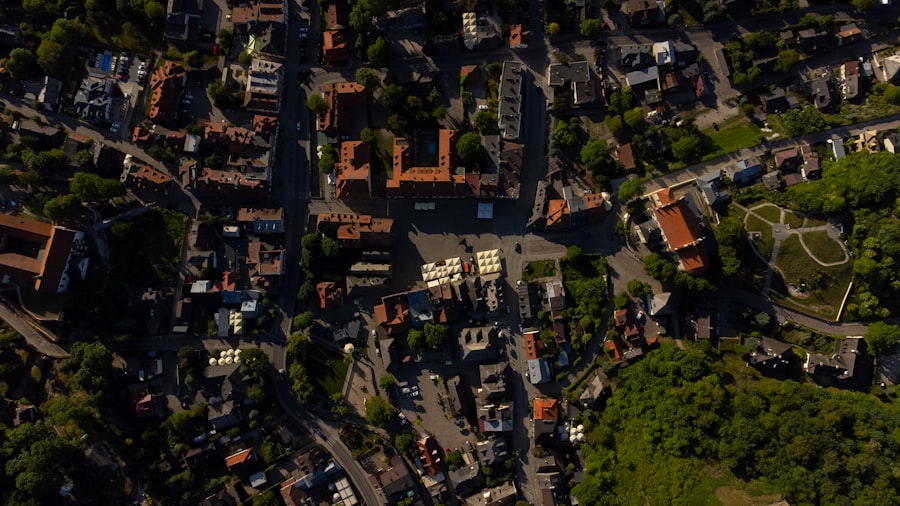
Zoning is intricately linked to the phenomenon of gentrification, which often transforms neighborhoods at a rapid pace. As areas become more desirable due to factors like improved amenities or increased investment, zoning changes may facilitate higher-density developments that cater to wealthier residents. This can lead to rising property values and rents, displacing long-time residents who can no longer afford to live in their neighborhoods.
Understanding this intersection is vital for you as a resident concerned about maintaining the character of your community. While some may argue that gentrification brings economic growth and revitalization, it often comes at a cost to existing residents who face displacement. Engaging in discussions about equitable zoning practices can help ensure that development benefits all members of the community rather than exacerbating inequalities.
The Role of Public Input in Zoning Decisions
Public input is a cornerstone of the zoning decision-making process. Local governments often hold public hearings or forums where residents can express their opinions on proposed changes or developments. This input is crucial for ensuring that decisions reflect the needs and desires of the community rather than solely catering to developers or business interests.
As a resident, participating in these discussions allows you to voice your concerns and advocate for your vision of the neighborhood. However, it’s important to recognize that public input can sometimes be limited by factors such as time constraints or lack of awareness among residents about upcoming meetings. To maximize your impact, consider organizing with neighbors to ensure that diverse voices are heard during public hearings.
By collectively advocating for your interests, you can help shape zoning decisions that align with the values and needs of your community.
The Legal and Ethical Considerations of Zoning Showdowns
Zoning showdowns often involve complex legal and ethical considerations that can complicate decision-making processes. Legal challenges may arise when residents believe that proposed changes violate existing zoning laws or infringe upon their rights as property owners. Additionally, ethical questions may surface regarding transparency in decision-making and whether local leaders are acting in the best interests of their constituents.
As you engage in zoning discussions within your community, it’s essential to be aware of these legal and ethical dimensions. Understanding the laws governing zoning can empower you to advocate effectively for your rights while also holding local leaders accountable for their actions. By promoting transparency and ethical decision-making in zoning matters, you contribute to a more equitable process that serves all members of the community.
The Economic Implications of Zoning Decisions
Zoning decisions have far-reaching economic implications for neighborhoods and communities as a whole. Changes in land use can attract new businesses and investments, leading to job creation and increased tax revenue for local governments. However, these benefits must be weighed against potential downsides such as rising property values and displacement of existing residents.
As a resident concerned about economic impacts, it’s important to consider how zoning decisions affect not only your immediate neighborhood but also the broader community. Engaging in discussions about economic development strategies that prioritize inclusivity can help ensure that growth benefits all residents rather than exacerbating existing inequalities. By advocating for balanced approaches to zoning that consider both economic growth and social equity, you contribute to a more sustainable future for your community.
The Potential for Compromise and Collaboration in Zoning Disputes
While zoning disputes can often feel contentious, there is potential for compromise and collaboration among stakeholders. Engaging in open dialogue between residents, local leaders, developers, and other key players can lead to solutions that address diverse interests while promoting community well-being. As a resident involved in these discussions, fostering an atmosphere of collaboration can help bridge divides and create more inclusive outcomes.
Finding common ground may involve negotiating adjustments to proposed developments or exploring alternative solutions that satisfy multiple parties’ concerns. By approaching zoning disputes with a willingness to listen and collaborate, you contribute to a more constructive dialogue that ultimately benefits your neighborhood as a whole.
The Long-Term Impact of Zoning Decisions on Neighborhoods
The long-term impact of zoning decisions cannot be overstated; they shape not only the physical landscape but also the social fabric of neighborhoods over time. Decisions made today will influence how communities evolve in response to changing demographics, economic conditions, and environmental challenges. As a resident invested in your neighborhood’s future, understanding these long-term implications is crucial for advocating effectively for sustainable development practices.
By engaging in discussions about zoning policies with an eye toward long-term outcomes, you can help ensure that decisions reflect not only immediate needs but also future aspirations for your community. Whether it’s promoting affordable housing options or preserving green spaces, advocating for thoughtful zoning practices contributes to creating vibrant neighborhoods where all residents can thrive for generations to come.
In the ongoing debate over urban development and neighborhood planning, the article “Zoning Showdown: The Ward-Level Political Battles Shaping Your Neighborhood” highlights the intricate dynamics of local governance and community interests. A related piece that delves into the impact of urban planning on residential construction is the article on Chicago’s best modular home builders and construction services. This article provides insights into how zoning laws and political decisions influence the types of housing developments that can be pursued, offering a practical perspective on the broader zoning discussions.
FAQs
What is zoning?
Zoning is a system of land use regulation that designates how land can be used in different areas, such as residential, commercial, or industrial.
What is a ward-level political battle?
A ward-level political battle refers to a conflict or disagreement between local politicians and community members at the ward level, which is a specific geographic area within a city or town.
How do ward-level political battles impact zoning decisions?
Ward-level political battles can impact zoning decisions by influencing which types of development are allowed in a particular area, such as the construction of new housing, businesses, or public facilities.
Why are ward-level political battles important for neighborhoods?
Ward-level political battles are important for neighborhoods because they can determine the future development and character of the area, including factors such as housing affordability, access to amenities, and overall quality of life for residents.
What are some common issues in ward-level political battles over zoning?
Common issues in ward-level political battles over zoning include debates over the density of new development, the preservation of historic or cultural landmarks, and the impact of new construction on traffic and infrastructure.
How can residents get involved in ward-level political battles over zoning?
Residents can get involved in ward-level political battles over zoning by attending local government meetings, contacting their elected officials, and participating in community organizations or advocacy groups focused on land use and development issues.