In recent years, the National Guard has taken on a controversial role in immigration enforcement, particularly in urban areas like Chicago. As you navigate through the complexities of this partnership with Immigration and Customs Enforcement (ICE), it becomes clear that the implications of such involvement extend far beyond mere law enforcement. The National Guard, traditionally seen as a reserve military force, is now intertwined with immigration policies that affect countless lives.
This article aims to explore the multifaceted relationship between the National Guard and ICE in Chicago, shedding light on historical context, current operations, and the broader societal impact. Understanding the National Guard’s role in Chicago’s ICE operations requires a deep dive into both its historical involvement and its current activities. You will discover how this partnership has evolved over time and what it means for immigrant communities.
As you read on, consider the legal and ethical implications of deploying military personnel in civilian immigration matters, as well as the potential consequences for public perception and community relations.
Key Takeaways
- The National Guard’s role in Chicago’s ICE operations raises legal and ethical concerns.
- National Guard members involved in ICE operations receive specific training and preparation.
- The presence of the National Guard in immigrant communities in Chicago has a significant impact.
- Collaboration between the National Guard, local law enforcement, and ICE in Chicago is a controversial issue.
- There are alternatives to using the National Guard for immigration enforcement in Chicago.
History of the National Guard’s Involvement in Immigration Enforcement
The history of the National Guard’s involvement in immigration enforcement is not a recent phenomenon; it dates back several decades. You may find it surprising that the National Guard has been called upon during various immigration crises, often in response to heightened tensions or perceived threats. For instance, during the 1980s, the National Guard was deployed to assist in border security efforts amid rising numbers of undocumented immigrants entering the United States.
This marked a significant shift in how military resources were utilized in domestic law enforcement. As you delve deeper into this history, you will see that the National Guard’s role has often been reactive rather than proactive. The deployment of troops has typically coincided with political pressures or public outcry over immigration issues.
This pattern raises questions about the motivations behind such actions and whether they genuinely serve to enhance public safety or merely respond to societal fears. The evolution of this relationship sets the stage for understanding its current implications in Chicago.
Current Partnership Between the National Guard and ICE in Chicago
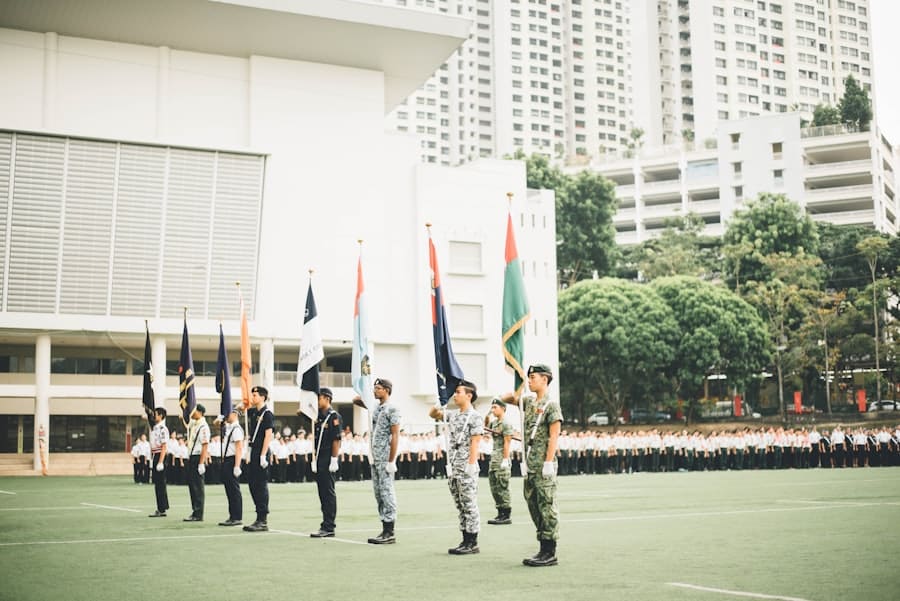
Today, the partnership between the National Guard and ICE in Chicago is characterized by a complex interplay of resources and responsibilities. You may be aware that this collaboration often involves the National Guard providing logistical support, intelligence gathering, and even direct assistance during ICE operations. This partnership has been framed as a necessary measure to enhance public safety and enforce immigration laws more effectively.
However, as you explore this current partnership further, it becomes evident that it is not without its challenges. The presence of the National Guard in immigration enforcement raises concerns about militarization and the potential for increased tensions within immigrant communities. You might wonder how this collaboration affects the daily lives of those living in Chicago, particularly those who may be undocumented or have family members facing deportation.
The implications are profound, as they touch on issues of trust, safety, and community cohesion.
Legal and Ethical Considerations of Using the National Guard for Immigration Enforcement
The legal and ethical considerations surrounding the use of the National Guard for immigration enforcement are complex and multifaceted. You may find it important to consider whether deploying military personnel in civilian contexts aligns with constitutional principles and civil rights protections. The Posse Comitatus Act, which restricts military involvement in domestic law enforcement, often comes into play when discussing these issues.
As you reflect on this legislation, think about how it shapes the boundaries of military engagement in civilian affairs. Ethically, you might grapple with questions about the appropriateness of using military resources to enforce immigration laws. The potential for abuse of power and violations of human rights looms large when military personnel are involved in civilian operations.
As you ponder these ethical dilemmas, consider how they impact not only those directly affected by immigration enforcement but also society at large. The implications of these actions can reverberate through communities, influencing perceptions of justice and fairness.
Training and Preparation for National Guard Members Involved in ICE Operations
Training and preparation for National Guard members involved in ICE operations are critical components that shape their effectiveness and approach to immigration enforcement. You may be interested to learn that members receive specialized training aimed at equipping them with the skills necessary to navigate complex legal frameworks and engage with diverse communities. This training often includes cultural sensitivity education, legal guidelines regarding immigration enforcement, and strategies for de-escalating potentially volatile situations.
As you consider the training process, think about how it prepares these individuals for the realities they will face on the ground. While some may argue that military training can enhance operational efficiency, others raise concerns about whether such training adequately addresses the unique challenges posed by immigration enforcement. The balance between maintaining order and respecting human dignity is a delicate one that requires careful consideration during training sessions.
Impact of the National Guard’s Presence on Immigrant Communities in Chicago

The impact of the National Guard’s presence on immigrant communities in Chicago is profound and multifaceted. You may find that many community members experience heightened anxiety and fear due to the visibility of military personnel involved in immigration enforcement. This presence can create an atmosphere of distrust between immigrant communities and law enforcement agencies, complicating relationships that are already fraught with tension.
Moreover, as you explore this impact further, consider how it affects individuals’ willingness to engage with local authorities or seek assistance when needed. The fear of deportation or harassment can deter individuals from reporting crimes or accessing essential services. This dynamic not only undermines public safety but also erodes community cohesion, making it increasingly difficult for immigrant populations to thrive in their new environment.
Collaboration Between the National Guard, Local Law Enforcement, and ICE in Chicago
The collaboration between the National Guard, local law enforcement, and ICE in Chicago represents a significant shift in how immigration enforcement is approached at various levels of government. You may notice that this partnership often involves sharing resources, intelligence, and operational strategies to enhance overall effectiveness. However, this collaboration raises questions about accountability and oversight.
As you examine this collaboration more closely, consider how it impacts local law enforcement agencies’ relationships with their communities. The blending of military resources with civilian policing can blur lines and create confusion regarding roles and responsibilities. You might wonder how community members perceive this collaboration and whether it fosters trust or breeds suspicion among those who feel targeted by these efforts.
Public Perception and Controversy Surrounding the National Guard’s Role in Immigration Enforcement
Public perception of the National Guard’s role in immigration enforcement is deeply divided and often contentious. You may find that many individuals view this involvement as a necessary measure to uphold law and order, while others see it as an overreach of military power into civilian life. This controversy is fueled by broader national debates surrounding immigration policy and enforcement practices.
As you reflect on public sentiment, consider how media portrayals shape perceptions of both the National Guard and immigrant communities. The narratives constructed around these issues can influence public opinion significantly, leading to either increased support for military involvement or heightened opposition based on fear or misunderstanding. Understanding these dynamics is crucial for grasping the broader implications of the National Guard’s role in immigration enforcement.
Oversight and Accountability of the National Guard’s Actions in ICE Operations
Oversight and accountability are essential components when discussing the National Guard’s actions in ICE operations. You may be concerned about who holds these military personnel accountable for their actions during immigration enforcement activities. The lack of clear oversight mechanisms can lead to potential abuses of power or violations of civil rights, raising serious ethical questions about their involvement.
As you delve into this topic further, consider what measures could be implemented to ensure accountability within these operations. Transparency is key; without it, public trust erodes rapidly. You might also ponder how community voices can be integrated into oversight processes to ensure that immigrant populations feel heard and protected from potential abuses.
Alternatives to Using the National Guard for Immigration Enforcement in Chicago
As discussions around immigration enforcement continue to evolve, exploring alternatives to using the National Guard becomes increasingly important. You may find that community-based approaches offer viable solutions that prioritize human rights while still addressing public safety concerns. For instance, investing in local resources such as community policing initiatives or immigrant support services could foster trust between law enforcement agencies and immigrant populations.
Additionally, consider how policy reforms at both local and national levels could reshape immigration enforcement practices without relying on military involvement. Engaging community stakeholders in these discussions can lead to more equitable solutions that respect individual rights while addressing legitimate concerns about public safety.
Conclusion and Future Implications of the National Guard’s Involvement in ICE Operations in Chicago
In conclusion, your exploration of the National Guard’s involvement in ICE operations in Chicago reveals a complex tapestry woven from historical precedents, legal considerations, community impacts, and public perceptions. As you reflect on these elements, consider what future implications may arise from this partnership. Will it continue to evolve as societal attitudes toward immigration change?
Or will it face increasing scrutiny as communities demand more accountability? Ultimately, your understanding of this issue will shape your perspective on broader discussions surrounding immigration policy and enforcement practices. As you engage with these topics moving forward, remember that the lives affected by these decisions are not just statistics; they are individuals with stories that deserve to be heard and respected.
In the context of understanding the National Guard’s involvement in Chicago’s ICE operations, it’s essential to consider the broader socio-economic landscape of the city, which includes educational opportunities that can impact community dynamics. An article that provides insight into this aspect is Vocational Trade Schools in Chicago. This piece explores the various vocational and trade schools available in Chicago, highlighting how education and skill development can play a crucial role in shaping the workforce and potentially influencing local policies and operations, including those related to law enforcement and immigration.
FAQs
What is the National Guard’s role in Chicago’s ICE operations?
The National Guard’s role in Chicago’s ICE operations is to provide support and assistance to Immigration and Customs Enforcement (ICE) in carrying out their immigration enforcement activities.
What kind of support does the National Guard provide to ICE in Chicago?
The National Guard may provide logistical support, transportation assistance, and other forms of operational support to ICE in Chicago.
Is the National Guard directly involved in immigration enforcement activities in Chicago?
No, the National Guard is not directly involved in immigration enforcement activities in Chicago. Their role is to provide support and assistance to ICE as requested.
Are there any legal restrictions on the National Guard’s involvement in immigration enforcement?
Yes, there are legal restrictions on the National Guard’s involvement in immigration enforcement. The Posse Comitatus Act prohibits the use of the military for domestic law enforcement activities, including immigration enforcement.
What is the public reaction to the National Guard’s involvement in ICE operations in Chicago?
The public reaction to the National Guard’s involvement in ICE operations in Chicago has been mixed, with some expressing support for the collaboration and others raising concerns about the militarization of immigration enforcement.