In recent years, the National Guard has taken on a more visible role in domestic affairs, particularly in relation to immigration enforcement. In Chicago, this involvement has sparked significant discussion and debate. As you delve into the complexities of this issue, you will find that the National Guard’s support for Immigration and Customs Enforcement (ICE) is not merely a matter of military assistance; it encompasses a range of operational, legal, and ethical considerations.
The deployment of National Guard troops in urban settings like Chicago raises questions about the balance between national security and community relations, as well as the implications for local law enforcement. The National Guard’s presence in Chicago is emblematic of broader trends in how federal and state resources are allocated to address immigration issues. As you explore this topic, you will encounter various perspectives on the effectiveness and appropriateness of using military personnel in civilian law enforcement roles.
The intersection of military support and immigration enforcement is a complex landscape that requires careful examination, particularly as it relates to the rights of individuals and the responsibilities of government agencies.
Key Takeaways
- The National Guard has been involved in supporting ICE in Chicago, raising questions about their role in immigration enforcement.
- National Guard troops have been deployed to assist ICE in Chicago, bringing their training and expertise in law enforcement support to the city.
- The presence of the National Guard has had an impact on immigration enforcement operations in Chicago, leading to controversies and criticisms.
- Legal and ethical considerations surround the use of the National Guard for immigration enforcement, sparking debate over their involvement.
- Despite controversies, the National Guard has also provided assistance in humanitarian efforts and community outreach in Chicago, raising questions about their future role in supporting ICE.
The National Guard’s role in border security and immigration enforcement
The National Guard has historically played a crucial role in border security, often acting as a supplementary force to assist federal agencies like ICE. You may find it interesting that this involvement is not limited to direct enforcement actions; rather, it encompasses a wide array of support functions. For instance, the National Guard can provide logistical support, surveillance capabilities, and intelligence gathering, all of which are essential for effective border management.
This multifaceted role allows the National Guard to contribute to a comprehensive approach to immigration enforcement. As you consider the implications of this role, it becomes clear that the National Guard’s involvement is often framed within the context of national security. The perception of threats at the border can lead to increased military presence, which some argue is necessary for maintaining order and safety.
However, this perspective can be contentious, especially when it intersects with issues of civil liberties and community trust. The balance between ensuring security and respecting individual rights is a delicate one, and your exploration of this topic will reveal the nuances involved.
The deployment of National Guard troops to assist ICE in Chicago
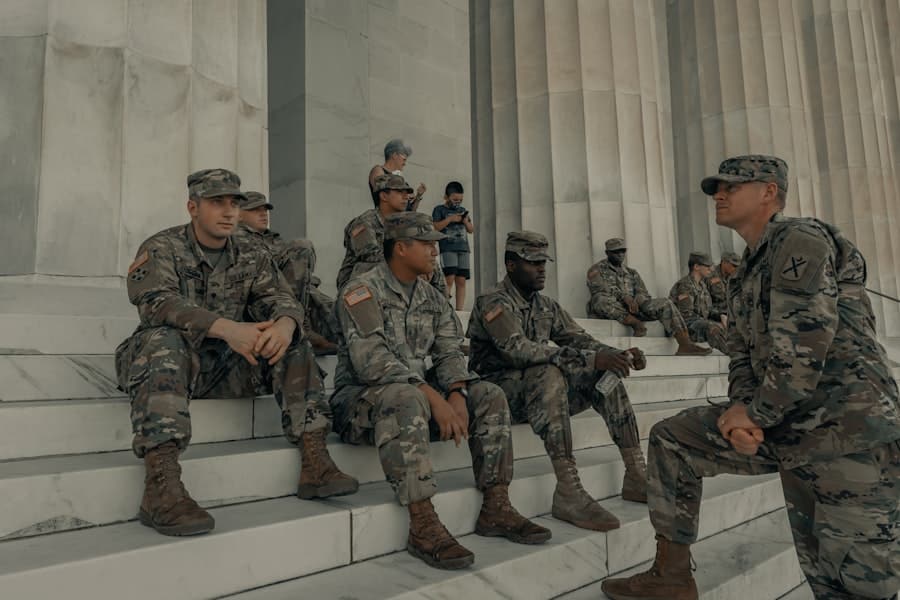
The decision to deploy National Guard troops to assist ICE in Chicago was met with mixed reactions from various stakeholders. On one hand, proponents argue that such deployments enhance the capabilities of ICE, allowing for more effective immigration enforcement operations. You may find that supporters believe that the presence of trained military personnel can deter illegal activities and bolster public safety.
This perspective often emphasizes the need for a robust response to perceived threats related to immigration. Conversely, the deployment has raised concerns among community members and advocacy groups who fear that military involvement in immigration enforcement could lead to increased tensions between immigrant communities and law enforcement. As you examine these contrasting viewpoints, you will uncover a broader narrative about how communities perceive their safety and the role of government in their lives.
The deployment of National Guard troops in Chicago serves as a case study for understanding these dynamics and their implications for community relations.
The National Guard’s training and expertise in law enforcement support
One of the key factors that underpin the National Guard’s involvement in supporting ICE is its training and expertise in law enforcement support. You may be surprised to learn that many National Guard members receive specialized training that equips them with skills relevant to civilian law enforcement operations. This training often includes areas such as crowd control, emergency response, and intelligence analysis, which can be invaluable when assisting federal agencies like ICE.
However, while the training may prepare National Guard members for certain aspects of law enforcement support, it also raises questions about their role in civilian contexts. You might consider how military training differs from traditional police training and what implications this has for interactions with local communities. The unique skill set that National Guard members bring to the table can be beneficial, but it also necessitates careful consideration of how these skills are applied in real-world scenarios involving immigration enforcement.
The National Guard’s collaboration with local law enforcement agencies in Chicago
Collaboration between the National Guard and local law enforcement agencies is a critical component of their joint efforts in immigration enforcement. As you explore this collaboration, you will find that it often involves sharing resources, intelligence, and operational strategies. This partnership can enhance the overall effectiveness of immigration enforcement operations by leveraging the strengths of both entities.
However, this collaboration is not without its challenges. You may discover that differing priorities between local law enforcement and federal agencies can create friction. Local police departments often prioritize community policing and building trust with residents, while federal agencies like ICE may focus more on enforcement actions.
This divergence can complicate relationships between law enforcement and immigrant communities, leading to fears of over-policing and potential racial profiling. Understanding these dynamics will provide you with a clearer picture of how collaboration plays out on the ground.
The impact of the National Guard’s presence on immigration enforcement operations in Chicago

The presence of the National Guard in Chicago has had a tangible impact on immigration enforcement operations. You might find it noteworthy that their involvement has led to an increase in visible law enforcement activity, which can create a sense of heightened scrutiny within immigrant communities. This visibility can serve as both a deterrent to illegal activities and a source of anxiety for those who fear deportation or other repercussions.
Moreover, the impact extends beyond immediate enforcement actions; it also shapes public perception of immigration policies and government authority. As you analyze this aspect, consider how community members respond to the increased military presence and what it means for their sense of safety and belonging. The dual nature of this impact—both as a protective measure and a source of fear—illustrates the complexities inherent in using military resources for domestic law enforcement purposes.
Controversies and criticisms surrounding the National Guard’s involvement with ICE in Chicago
The deployment of the National Guard to assist ICE has not been without controversy. Critics argue that involving military personnel in immigration enforcement undermines civil liberties and exacerbates tensions within communities. You may find that advocacy groups have raised concerns about potential abuses of power and the chilling effect on immigrant populations who may be less likely to report crimes or seek assistance from law enforcement due to fear of deportation.
Additionally, there are ethical questions surrounding the militarization of immigration enforcement. As you explore these criticisms, consider how they reflect broader societal debates about the role of government in regulating immigration and protecting individual rights. The controversies surrounding the National Guard’s involvement highlight the need for ongoing dialogue about how best to balance security concerns with respect for human dignity.
The legal and ethical considerations of using the National Guard for immigration enforcement
The legal framework governing the use of the National Guard for immigration enforcement is complex and multifaceted. You may find it intriguing that while federal law allows for military support in certain situations, there are strict limitations on their authority when it comes to direct law enforcement actions. Understanding these legal boundaries is essential for grasping the implications of deploying military personnel in civilian contexts.
Ethically, the use of the National Guard raises questions about accountability and oversight. You might consider how military personnel are held accountable for their actions compared to traditional law enforcement officers. The potential for conflicts between military protocols and community expectations adds another layer of complexity to this issue.
As you navigate these legal and ethical considerations, you will gain insight into the broader implications for governance and civil rights.
The National Guard’s assistance in humanitarian efforts and community outreach in Chicago
While much of the focus on the National Guard’s involvement with ICE centers around enforcement actions, it is important to recognize their contributions to humanitarian efforts and community outreach as well. You may be surprised to learn that many National Guard members engage in initiatives aimed at supporting vulnerable populations within immigrant communities. These efforts can include providing resources for legal assistance, health services, and educational programs.
Community outreach initiatives serve as a counterbalance to the more contentious aspects of immigration enforcement. By actively engaging with residents and addressing their needs, the National Guard can help foster trust and cooperation between law enforcement agencies and immigrant communities. As you explore this dimension of their work, consider how these humanitarian efforts can reshape perceptions of both the National Guard and ICE within Chicago.
The future of the National Guard’s role in supporting ICE in Chicago
Looking ahead, the future of the National Guard’s role in supporting ICE in Chicago remains uncertain. As public sentiment around immigration continues to evolve, you may find that shifts in policy at both state and federal levels will influence how military resources are allocated for immigration enforcement purposes. The ongoing debate over immigration reform will likely play a significant role in shaping these dynamics.
Moreover, as communities grapple with issues related to safety, trust, and civil rights, your exploration will reveal that any future involvement by the National Guard must be approached with sensitivity to local concerns. Balancing security needs with respect for individual rights will be paramount as discussions about their role continue.
The ongoing debate over the National Guard’s involvement in immigration enforcement
In conclusion, your examination of the National Guard’s involvement in supporting ICE in Chicago reveals a complex interplay between security concerns, community relations, legal frameworks, and ethical considerations. As you reflect on this ongoing debate, it becomes clear that there are no easy answers when it comes to balancing national security with respect for individual rights. The future trajectory of this issue will depend on continued dialogue among stakeholders at all levels—government officials, community leaders, advocacy groups, and residents themselves.
As you engage with these discussions, remember that understanding diverse perspectives is essential for navigating this multifaceted landscape effectively. The ongoing debate over the National Guard’s role in immigration enforcement will undoubtedly shape not only policy decisions but also community dynamics for years to come.
The National Guard’s pivotal role in supporting ICE operations in Chicago has been a topic of significant discussion, highlighting the complex interplay between federal and local agencies in managing immigration enforcement. This collaboration is part of a broader narrative about the city’s dynamic landscape, which includes various sectors contributing to its vibrancy. For instance, the business scene in Chicago is thriving, with numerous industries playing a crucial role in the city’s economic development. An article that delves into this aspect is Exploring the Vibrant Business Scene of Chicago City, which provides insights into how different businesses are shaping the city’s future. Understanding these dynamics offers a more comprehensive view of Chicago’s multifaceted environment, where security and economic growth are both pivotal.
FAQs
What is the National Guard’s role in supporting ICE in Chicago?
The National Guard’s role in supporting ICE in Chicago involves providing logistical and administrative support to ICE operations in the city.
What kind of support does the National Guard provide to ICE in Chicago?
The National Guard provides support such as transportation, equipment maintenance, and administrative assistance to ICE in Chicago.
Is the National Guard involved in immigration enforcement activities in Chicago?
No, the National Guard’s role in supporting ICE in Chicago is limited to providing logistical and administrative support and does not involve direct participation in immigration enforcement activities.
How does the National Guard’s support benefit ICE operations in Chicago?
The National Guard’s support helps ICE in Chicago by enabling the agency to focus on its core immigration enforcement activities while the National Guard handles logistical and administrative tasks.
Is the National Guard’s support for ICE in Chicago a new development?
The National Guard’s support for ICE in Chicago is not a new development and has been a part of the agency’s operations for some time.