In recent years, the role of the National Guard in supporting Immigration and Customs Enforcement (ICE) operations has become a focal point of discussion, particularly in urban areas like Chicago. As immigration policies evolve and enforcement actions intensify, the National Guard has been called upon to assist federal agencies in managing these complex situations. This partnership raises questions about the implications for immigrant communities, the legal framework governing such actions, and the broader societal impact.
You may find yourself wondering how this collaboration affects not only those directly involved but also the fabric of the community at large. The National Guard’s involvement in immigration enforcement is not merely a logistical support mechanism; it represents a significant intersection of military and civil responsibilities. As you delve deeper into this topic, you will uncover the historical context that has shaped this relationship, the operational roles that the National Guard plays, and the ethical considerations that accompany such actions.
Understanding these dynamics is crucial for grasping the full scope of the National Guard’s support to ICE in Chicago and its implications for both law enforcement and immigrant populations.
Key Takeaways
- The National Guard has been providing support to ICE in Chicago, raising concerns and controversies.
- The history of National Guard’s involvement in immigration enforcement dates back to the 1990s, with various missions and operations.
- The role of National Guard in supporting ICE operations includes surveillance, transportation, and logistical support.
- Legal and ethical considerations of National Guard’s involvement in immigration enforcement raise questions about the militarization of immigration enforcement.
- The impact of National Guard’s support on immigrant communities in Chicago has led to fear, distrust, and increased anxiety.
History of National Guard’s Involvement in Immigration Enforcement
The history of the National Guard’s involvement in immigration enforcement is complex and multifaceted. Traditionally, the National Guard has been deployed for various domestic missions, including disaster response and civil unrest management. However, its role in immigration enforcement has gained prominence in recent years, particularly during periods of heightened political tension surrounding immigration policies.
You may find it interesting to note that this involvement is not entirely new; there have been instances in the past where state militias were called upon to assist with border security and immigration issues. As you explore this history, you will discover that the National Guard’s role has evolved alongside changing immigration laws and enforcement strategies. The post-9/11 era marked a significant shift, as national security concerns prompted a more aggressive approach to immigration enforcement.
This led to increased collaboration between federal agencies like ICE and state military forces, including the National Guard. Understanding this historical backdrop will provide you with valuable insights into how current practices have been shaped by past events and policies.
Role of National Guard in Supporting ICE Operations
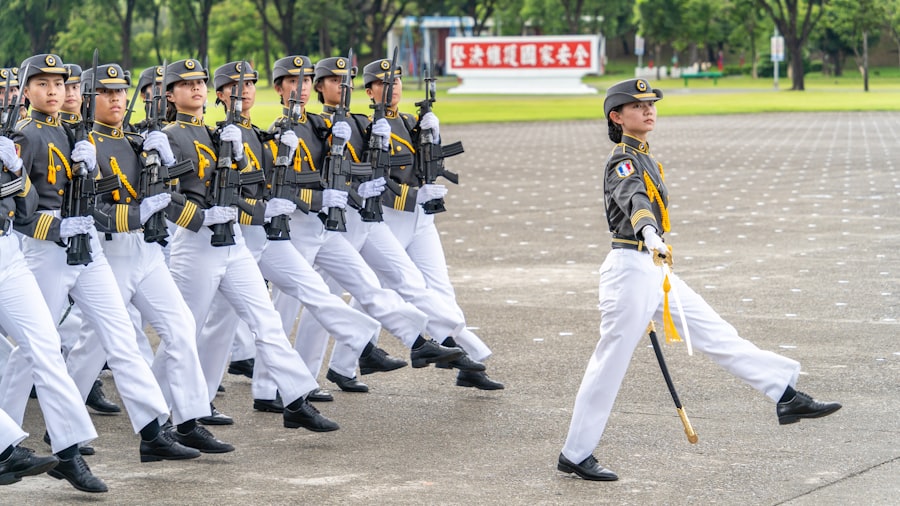
The National Guard’s role in supporting ICE operations is primarily focused on logistical assistance and operational support rather than direct enforcement actions. You might be surprised to learn that National Guard troops are often tasked with providing intelligence gathering, transportation, and even administrative support to ICE agents. This allows federal agents to focus on their core responsibilities while ensuring that operations run smoothly and efficiently.
Moreover, the National Guard’s involvement can extend to providing security at detention facilities or during large-scale enforcement operations. This support can be crucial in maintaining order and ensuring the safety of both ICE personnel and individuals being processed. As you consider these roles, it becomes clear that the National Guard serves as a vital resource for ICE, enabling them to carry out their mission more effectively while also raising questions about the appropriateness of military involvement in civil matters.
Legal and Ethical Considerations of National Guard’s Involvement in Immigration Enforcement
The legal framework governing the National Guard’s involvement in immigration enforcement is intricate and often contentious. You may find it essential to understand that while the National Guard operates under state authority, its support for federal agencies like ICE raises questions about jurisdiction and authority. The Posse Comitatus Act, which restricts the use of federal military forces for domestic law enforcement, complicates this relationship further.
As you explore these legal nuances, you will see how they shape the operational parameters within which the National Guard operates. Ethically, the involvement of the National Guard in immigration enforcement presents significant dilemmas. You might grapple with questions about the militarization of immigration policy and its impact on civil liberties.
The presence of military personnel in communities can create an atmosphere of fear among immigrant populations, leading to concerns about racial profiling and human rights violations. As you reflect on these ethical considerations, it becomes evident that the implications of such actions extend beyond legal frameworks and into the realm of social justice and community trust.
Impact of National Guard’s Support on Immigrant Communities in Chicago
The impact of the National Guard’s support for ICE operations on immigrant communities in Chicago is profound and multifaceted. For many immigrants, the presence of military personnel can evoke feelings of anxiety and fear, as they may perceive these actions as a direct threat to their safety and well-being. You may find it alarming that this heightened sense of insecurity can lead to a chilling effect on community engagement, where individuals are less likely to report crimes or seek assistance from local authorities due to fears of deportation or harassment.
Moreover, the psychological toll on immigrant communities cannot be understated. As you consider the ramifications of such support, you will recognize that families may experience increased stress and trauma as they navigate a landscape fraught with uncertainty. The implications extend beyond individual experiences; they can also affect community cohesion and trust in law enforcement agencies.
Understanding these impacts is crucial for grasping the broader societal consequences of the National Guard’s involvement in immigration enforcement.
Public Opinion and Controversy Surrounding National Guard’s Support to ICE
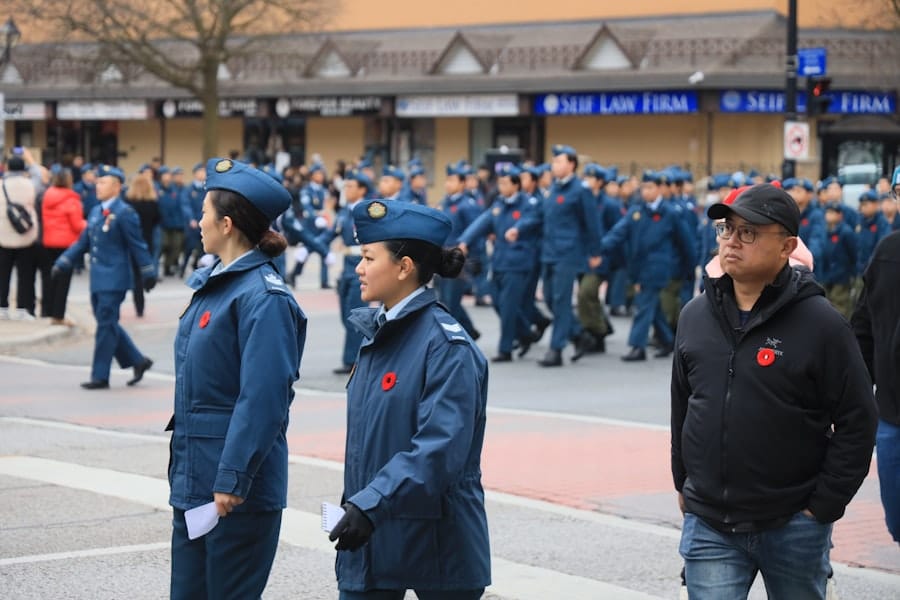
Public opinion regarding the National Guard’s support for ICE operations is deeply divided, reflecting broader national debates about immigration policy and enforcement practices. You may find it intriguing that some segments of the population view this collaboration as a necessary measure for maintaining law and order, believing that it enhances public safety by deterring illegal immigration. Conversely, many others see it as an overreach of government power that disproportionately targets vulnerable populations.
This controversy often plays out in public forums, with protests and advocacy campaigns emerging from various community organizations advocating for immigrant rights. As you explore these differing perspectives, you will gain insight into how public sentiment shapes policy decisions and influences the actions of both local and federal authorities. The ongoing debate surrounding this issue underscores the complexities inherent in balancing national security interests with humanitarian concerns.
Collaboration Between National Guard and Local Law Enforcement Agencies in Chicago
The collaboration between the National Guard and local law enforcement agencies in Chicago is another critical aspect of understanding their support for ICE operations. You may find it noteworthy that this partnership often involves joint training exercises and information sharing aimed at enhancing operational effectiveness. By working together, these entities can coordinate their efforts more efficiently, which can be beneficial during large-scale enforcement actions or community outreach initiatives.
However, this collaboration also raises concerns about accountability and transparency. As you consider these dynamics, you might question how well local law enforcement agencies communicate with immigrant communities and whether they adequately address concerns about potential abuses or overreach. The relationship between these entities can significantly influence public perception and trust, making it essential to examine how they interact within the context of immigration enforcement.
Training and Preparation of National Guard Troops for Immigration Enforcement Duties
The training and preparation of National Guard troops for immigration enforcement duties are critical components that shape their effectiveness in supporting ICE operations. You may be surprised to learn that while many National Guard members have military training focused on combat scenarios, their roles in immigration enforcement require a different skill set altogether. This includes understanding immigration laws, cultural sensitivity training, and effective communication strategies when interacting with diverse communities.
As you delve into this topic, you will discover that some states have implemented specialized training programs designed to equip National Guard troops with the necessary tools to navigate complex immigration issues responsibly. However, questions remain about whether this training is sufficient to prepare them for the unique challenges they may face on the ground. Understanding these training protocols will provide you with a clearer picture of how well-equipped National Guard members are to handle their responsibilities in this sensitive area.
Oversight and Accountability of National Guard’s Involvement in Immigration Enforcement
Oversight and accountability are paramount when discussing the National Guard’s involvement in immigration enforcement. You might find it concerning that there are often gaps in oversight mechanisms that can lead to potential abuses or mismanagement during operations. While state governors have authority over their respective National Guards, there is often limited federal oversight when troops are deployed to assist ICE.
As you explore this issue further, you will recognize that calls for greater transparency and accountability are growing louder among advocacy groups and community organizations. These stakeholders argue that robust oversight mechanisms are essential to ensure that military personnel act within legal boundaries while respecting human rights. Understanding these calls for accountability will help you appreciate the ongoing efforts to reform practices surrounding military involvement in civil matters.
Alternatives to National Guard’s Support for ICE in Chicago
As discussions surrounding the National Guard’s support for ICE continue to evolve, exploring alternatives becomes increasingly important. You may find it valuable to consider community-based approaches that prioritize public safety without resorting to militarized responses. For instance, investing in local resources such as community policing initiatives or immigrant support services could foster trust between law enforcement agencies and immigrant populations.
Additionally, advocating for comprehensive immigration reform at the federal level could address many underlying issues driving unauthorized migration while reducing reliance on military support for enforcement actions. As you contemplate these alternatives, it becomes clear that there are various pathways forward that prioritize both public safety and humanitarian considerations.
Future Implications and Potential Changes in National Guard’s Role in Immigration Enforcement
Looking ahead, the future implications of the National Guard’s role in immigration enforcement remain uncertain but ripe for discussion. You may find it intriguing to consider how shifting political landscapes could influence policies surrounding immigration enforcement and military involvement. As public sentiment continues to evolve regarding immigration issues, there may be increased pressure on lawmakers to reevaluate existing practices.
Moreover, ongoing advocacy efforts aimed at reforming immigration policies could lead to significant changes in how federal agencies operate alongside state military forces like the National Guard. As you reflect on these potential changes, it becomes evident that understanding this dynamic relationship will be crucial for navigating future discussions surrounding immigration enforcement and community safety. In conclusion, your exploration of the National Guard’s support for ICE operations in Chicago reveals a complex interplay of historical context, legal frameworks, ethical considerations, and community impacts.
By engaging with these multifaceted issues, you can better appreciate the challenges faced by immigrant communities while also recognizing the broader societal implications of military involvement in civil matters.
In the context of the National Guard’s support to ICE in Chicago, it’s important to consider the broader social and cultural dynamics of the city. Chicago is renowned for its rich cultural diversity, with neighborhoods that reflect a wide array of ethnic backgrounds and traditions. This diversity is a crucial aspect of the city’s identity and can influence how various communities perceive and are affected by law enforcement activities. For a deeper understanding of Chicago’s cultural landscape, you might find the article on Cultural Diversity in Chicago’s Neighborhoods insightful. This piece explores the vibrant mix of cultures that make up the city’s neighborhoods, providing context that is essential when discussing topics like the National Guard’s involvement with ICE.
FAQs
What is the National Guard’s role in supporting ICE in Chicago?
The National Guard’s role in supporting ICE in Chicago is to provide additional manpower and resources to assist with immigration enforcement operations.
What type of support does the National Guard provide to ICE in Chicago?
The National Guard provides support to ICE in Chicago through activities such as surveillance, transportation, and logistical support.
Is the National Guard’s support to ICE in Chicago legal?
Yes, the National Guard’s support to ICE in Chicago is legal under federal law. The National Guard operates under the authority of the President of the United States and can be called upon to support federal agencies, including ICE.
Are there any restrictions on the National Guard’s support to ICE in Chicago?
The National Guard’s support to ICE in Chicago is subject to legal and operational restrictions to ensure compliance with federal and state laws, as well as to protect the rights of individuals involved in immigration enforcement operations.
How does the National Guard’s support to ICE in Chicago impact the local community?
The National Guard’s support to ICE in Chicago may impact the local community by contributing to immigration enforcement efforts and potentially leading to increased apprehensions and removals of undocumented immigrants. This can have social, economic, and emotional implications for the affected individuals and their families.