As I delve into the intricate relationship between the Immigration and Customs Enforcement (ICE) agency and Chicago’s electoral landscape, I find myself grappling with the profound implications of this dynamic. The influence of ICE extends beyond mere enforcement of immigration laws; it permeates the very fabric of political discourse and community engagement in the city. In a metropolis known for its rich tapestry of immigrant communities, the presence and actions of ICE have become pivotal in shaping electoral outcomes, voter sentiment, and the overall political climate.
Understanding this influence is crucial for anyone seeking to comprehend the complexities of Chicago’s elections. The role of ICE in Chicago’s elections is not merely a backdrop; it is a central theme that affects how candidates campaign, how communities mobilize, and how policies are shaped. As I explore this topic, I am reminded that elections are not just about candidates and their platforms; they are also about the people who participate in the democratic process.
The fear and uncertainty that ICE instills in immigrant communities can lead to disengagement from the electoral process, thereby altering the very nature of representation in local government. This article aims to unpack the layers of ICE’s influence on Chicago’s elections, examining its historical context, current implications, and potential future developments.
Key Takeaways
- ICE’s influence in Chicago’s elections has been a contentious issue, with significant impact on immigrant communities and political candidates’ stances.
- The history of ICE’s involvement in Chicago politics dates back to the early 2000s, with controversial actions and policies affecting the city’s immigrant population.
- ICE’s policies have had a detrimental impact on Chicago’s immigrant communities, leading to fear, distrust, and decreased engagement in the electoral process.
- Controversies surrounding ICE’s actions in Chicago have sparked widespread debate and activism, with legal and ethical implications at the forefront of the discussion.
- Political candidates’ stances on ICE and immigration policies have become a key factor in voter turnout and engagement within Chicago’s immigrant communities.
History of ICE’s Involvement in Chicago Politics
Reflecting on the history of ICE’s involvement in Chicago politics, I recognize that this relationship has evolved significantly over the years. Established in 2003, ICE was created in the wake of heightened national security concerns following the September 11 attacks. Initially focused on combating terrorism and enforcing immigration laws, its role has expanded to include a broader range of enforcement activities.
In Chicago, this has translated into a contentious relationship with local government and immigrant communities, particularly as policies have shifted under different administrations. In the early years of ICE’s operations, there was a sense of relative stability as local leaders sought to balance law enforcement with community needs. However, as I examine the timeline, it becomes clear that tensions began to rise with the implementation of more aggressive enforcement strategies.
The introduction of programs like Secure Communities, which allowed for the sharing of information between local law enforcement and federal immigration authorities, marked a turning point. This program not only heightened fears within immigrant communities but also sparked significant backlash from local officials who sought to protect their constituents from deportation and separation from their families.
Impact of ICE’s Policies on Chicago’s Immigrant Communities

As I consider the impact of ICE’s policies on Chicago’s immigrant communities, I cannot help but feel a deep sense of empathy for those affected. The fear of deportation looms large over many families, creating an environment where individuals may feel compelled to avoid public spaces, including polling places during elections. This pervasive anxiety can lead to a significant decrease in voter turnout among immigrant populations, ultimately skewing representation in local government.
Moreover, the psychological toll on these communities is profound. I have witnessed firsthand how fear can stifle civic engagement and discourage individuals from voicing their opinions or participating in political processes. The chilling effect of ICE’s presence can lead to a sense of isolation among immigrants, who may feel that their voices are not valued or heard.
This disconnection from the political sphere not only affects individual lives but also undermines the democratic principles that underpin our society.
Controversies Surrounding ICE’s Actions in Chicago
The controversies surrounding ICE’s actions in Chicago are numerous and complex. As I explore these issues, I am struck by the stark divide between federal immigration enforcement and local community values. One of the most contentious points has been the practice of conducting raids in neighborhoods and workplaces, often targeting individuals without prior notice or warning.
These actions have led to widespread protests and calls for sanctuary policies that protect immigrants from deportation. Additionally, I find it troubling that some local law enforcement agencies have cooperated with ICE, further complicating the relationship between immigrant communities and police. This collaboration has fostered distrust among residents who fear that reporting crimes or seeking assistance from law enforcement could result in their deportation.
The resulting atmosphere of fear and suspicion has led to significant pushback from community organizations advocating for immigrant rights, highlighting the urgent need for reform in how immigration enforcement is conducted at both local and federal levels.
Political Candidates’ Stances on ICE and Immigration Policies
As I analyze the stances of political candidates regarding ICE and immigration policies, it becomes evident that this issue has become a litmus test for many voters in Chicago. Candidates often find themselves navigating a complex landscape where they must balance the demands of their constituents with their own political ideologies. Some candidates advocate for more stringent immigration enforcement, aligning themselves with federal policies that prioritize deportation and border security.
Others take a more progressive stance, calling for comprehensive immigration reform and protections for undocumented immigrants. I have observed that candidates who openly oppose ICE’s aggressive tactics tend to resonate more with immigrant communities and their allies. These candidates often emphasize their commitment to creating inclusive policies that protect vulnerable populations while fostering a sense of belonging within the city.
Conversely, those who support stricter enforcement may alienate potential voters who feel threatened by such policies. This dynamic underscores the importance of understanding how immigration issues can shape electoral outcomes and influence candidate platforms.
Voter Turnout and Engagement in Chicago’s Immigrant Communities
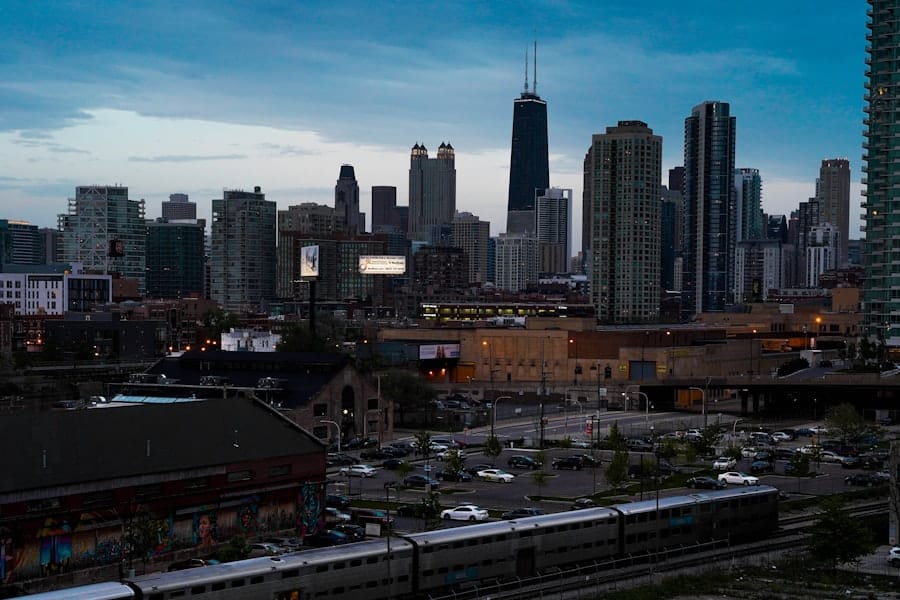
Voter turnout among Chicago’s immigrant communities is a critical aspect of understanding ICE’s influence on elections. As I reflect on recent election cycles, it becomes clear that fear and uncertainty surrounding immigration enforcement have led to lower participation rates among these populations. Many individuals may feel disillusioned or discouraged from voting due to concerns about their legal status or potential repercussions from engaging with the political system.
However, I also see glimmers of hope as community organizations work tirelessly to mobilize voters and educate them about their rights. Initiatives aimed at increasing voter registration and providing resources for understanding the electoral process have gained traction in recent years. These efforts are crucial in empowering immigrant communities to assert their voices and participate actively in shaping policies that affect their lives.
By fostering a sense of agency among these populations, we can begin to counteract the negative impact of ICE’s presence on voter engagement.
Legal and Ethical Implications of ICE’s Influence on Elections
The legal and ethical implications of ICE’s influence on elections are multifaceted and warrant careful consideration. As I examine these issues, I am struck by the tension between federal immigration enforcement and local governance. The use of federal resources to target individuals within communities raises questions about civil rights and due process.
Many argue that such actions undermine the principles of democracy by disenfranchising entire populations based on their immigration status. Moreover, I find it essential to consider the ethical responsibilities of political candidates and elected officials when addressing immigration issues. Candidates must navigate a delicate balance between advocating for public safety and protecting vulnerable populations from unjust treatment.
The decisions made by those in power can have far-reaching consequences for individuals and families within immigrant communities, making it imperative for leaders to approach these issues with compassion and integrity.
Community Organizing and Activism in Response to ICE’s Influence
In response to ICE’s influence on elections and immigrant communities, I have witnessed a remarkable surge in community organizing and activism throughout Chicago. Grassroots movements have emerged as powerful forces advocating for immigrant rights and challenging unjust policies. These organizations work tirelessly to raise awareness about the impact of ICE’s actions while mobilizing residents to engage politically.
I am inspired by the resilience displayed by community members who come together to demand change. From organizing protests against ICE raids to hosting educational workshops on voter rights, these activists are making significant strides in amplifying their voices within the political arena. Their efforts not only challenge the status quo but also foster a sense of solidarity among diverse groups within Chicago, highlighting the importance of collective action in effecting meaningful change.
Media Coverage and Public Perception of ICE’s Role in Chicago Elections
The media plays a crucial role in shaping public perception of ICE’s role in Chicago elections. As I analyze various news outlets’ coverage, I notice a spectrum of narratives surrounding immigration enforcement and its impact on communities. Some media portrayals emphasize the need for strict enforcement measures, framing immigrants as threats to public safety.
In contrast, other outlets highlight personal stories that humanize immigrants and underscore their contributions to society. This divergence in media narratives can significantly influence public opinion and voter sentiment during election cycles. When stories focus on the challenges faced by immigrant communities due to ICE’s actions, they can galvanize support for candidates advocating for reform.
Conversely, negative portrayals can perpetuate fear and stigma, further alienating these populations from political engagement. As consumers of media, it is essential for us to critically evaluate how narratives are constructed and consider their implications for our understanding of immigration issues.
Potential Reforms and Solutions to Address ICE’s Influence
As I contemplate potential reforms to address ICE’s influence on elections in Chicago, several key strategies come to mind. First and foremost, there is a pressing need for comprehensive immigration reform at both state and federal levels. By creating pathways to legal status for undocumented immigrants, we can alleviate some of the fears associated with deportation while fostering greater civic engagement among these populations.
Additionally, I believe that local governments should adopt sanctuary policies that limit cooperation with federal immigration enforcement agencies like ICE. Such measures can help create safer environments for immigrant communities while allowing them to participate fully in civic life without fear of reprisal. Furthermore, investing in community education initiatives aimed at informing residents about their rights can empower individuals to engage politically without trepidation.
The Future of ICE’s Influence in Chicago’s Elections
As I conclude my exploration of ICE’s influence on Chicago’s elections, I am left with a sense of urgency regarding the need for change. The interplay between immigration enforcement and electoral participation is complex but critical to understanding our democratic processes. While challenges remain significant, I am heartened by the resilience displayed by immigrant communities and their allies as they advocate for justice and representation.
Looking ahead, it is imperative that we continue to engage in conversations about immigration policy while striving for reforms that prioritize human dignity and civil rights. By fostering inclusive political environments where all voices are heard, we can work towards a future where ICE’s influence no longer casts a shadow over our elections but instead serves as a catalyst for positive change within our communities.
In the context of examining ICE’s influence over Chicago’s elections, it’s essential to consider the broader historical and social dynamics that have shaped the city. An interesting related article is The Great Chicago Fire, which delves into a pivotal event in Chicago’s history. Understanding such historical events provides valuable insights into the city’s development and the socio-political landscape that influences its electoral processes today. The Great Chicago Fire not only reshaped the city’s infrastructure but also had lasting impacts on its governance and community dynamics, which are crucial for comprehending the current political climate.
FAQs
What is ICE’s influence over Chicago’s elections?
ICE, or the U.S. Immigration and Customs Enforcement, does not have direct influence over Chicago’s elections. However, the agency’s policies and actions regarding immigration enforcement can have an indirect impact on the political climate and voter attitudes in the city.
How does ICE’s immigration enforcement policies affect Chicago’s elections?
ICE’s immigration enforcement policies can impact Chicago’s elections by shaping public opinion on immigration issues, influencing voter turnout among immigrant communities, and potentially affecting the political priorities of candidates and elected officials.
What are some examples of ICE’s impact on Chicago’s elections?
Some examples of ICE’s impact on Chicago’s elections include the agency’s enforcement actions in immigrant communities, which can create fear and uncertainty among residents, as well as the debate over immigration policy and reform, which can become a key issue in local political campaigns.
What role do local politicians and advocacy groups play in responding to ICE’s influence?
Local politicians and advocacy groups in Chicago play a significant role in responding to ICE’s influence by advocating for immigrant rights, supporting policies to protect immigrant communities, and mobilizing voters to participate in the electoral process.
How do Chicago residents perceive ICE’s influence over their elections?
Perceptions of ICE’s influence over Chicago’s elections vary among residents, with some expressing concern about the agency’s impact on immigrant communities and others supporting stricter immigration enforcement measures. Overall, the issue is a complex and contentious one within the city.