As I delve into the complex and often contentious world of immigration enforcement, I find myself drawn to the role of ICE detention centers in the Chicago area. These facilities, operated by U.S. Immigration and Customs Enforcement (ICE), serve as holding places for individuals awaiting immigration proceedings or deportation.
The existence of these centers raises numerous questions about human rights, legal processes, and the broader implications for communities. In a city known for its diversity and rich cultural tapestry, the presence of ICE detention centers has sparked significant debate and concern among residents, activists, and policymakers alike. The Chicago area, with its vibrant immigrant population, is a microcosm of the national conversation surrounding immigration.
As I explore the intricacies of these detention centers, I am compelled to consider not only the experiences of those detained but also the impact on families, communities, and the fabric of society itself. The stories that emerge from these facilities are often heart-wrenching, revealing the human cost of immigration enforcement policies. In this article, I aim to provide a comprehensive overview of ICE detention centers in the Chicago area, examining their history, conditions, legal issues, and the ongoing advocacy efforts aimed at reform.
Key Takeaways
- ICE detention centers in the Chicago area have been a source of controversy and concern for many years.
- The history and background of ICE detention centers in Chicago area is complex and has evolved over time.
- The location and capacity of ICE detention centers in Chicago area have a significant impact on the immigrant community.
- Conditions and treatment of detainees in ICE detention centers in Chicago area have raised legal and human rights concerns.
- Activism and advocacy for detainees in ICE detention centers in Chicago area are crucial for addressing the issues and advocating for change.
History and Background of ICE Detention Centers in Chicago Area
The history of ICE detention centers in the Chicago area is intertwined with the evolution of U.S. immigration policy. I have learned that the roots of these facilities can be traced back to the late 20th century when immigration enforcement began to take a more aggressive stance.
The establishment of the Immigration and Naturalization Service (INS) in 1933 marked a significant shift in how the U.S. government approached immigration control. However, it was not until the post-9/11 era that the landscape of immigration enforcement dramatically changed, leading to the creation of ICE in 2003.
As I reflect on this history, I recognize that the Chicago area has been a focal point for immigration enforcement due to its large immigrant population. Over the years, various detention centers have been established to accommodate the growing number of individuals facing deportation proceedings. These facilities have evolved in response to changing policies and public sentiment, often reflecting broader societal attitudes toward immigration.
The historical context is essential for understanding the current state of ICE detention centers and their impact on individuals and communities.
Location and Capacity of ICE Detention Centers in Chicago Area
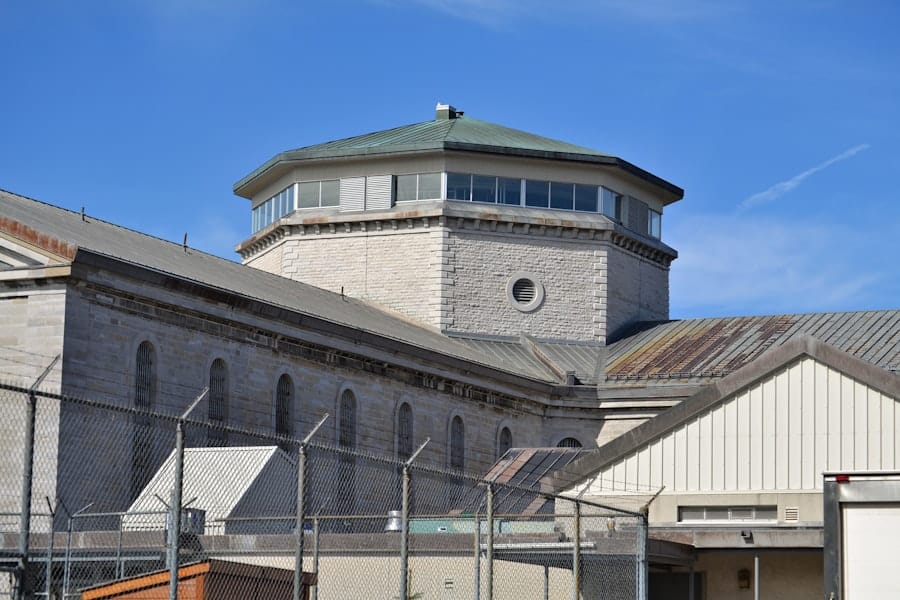
In my exploration of ICE detention centers in the Chicago area, I have discovered that their locations are strategically chosen to facilitate immigration enforcement operations. The primary facility in this region is the Cook County Jail, which has been repurposed to house detainees awaiting immigration hearings. Additionally, there are several other facilities within a reasonable distance from Chicago that serve similar functions.
The capacity of these centers varies, but collectively they can hold thousands of individuals at any given time. The geographical distribution of these centers raises important questions about accessibility for families and legal representatives. As I consider the implications of location, I realize that many detainees are held far from their homes and support networks, making it challenging for them to maintain connections with loved ones or secure legal assistance.
This physical separation adds another layer of complexity to an already difficult situation, highlighting the need for reform in how immigration detention is managed.
Conditions and Treatment of Detainees in ICE Detention Centers in Chicago Area
When I think about the conditions within ICE detention centers in the Chicago area, I am struck by the stark contrast between the ideals of justice and humanity and the reality faced by many detainees. Reports from advocacy groups and firsthand accounts reveal troubling conditions that often include overcrowding, inadequate medical care, and limited access to legal resources. Detainees frequently describe their experiences as dehumanizing, with little regard for their basic needs or rights.
As I delve deeper into these accounts, I am reminded that many individuals held in these facilities are not criminals but rather people seeking safety or a better life for themselves and their families. The treatment they receive while detained can have lasting psychological effects, compounding their already precarious situations. It is essential to recognize that these conditions do not merely affect those detained; they reverberate throughout communities, fostering fear and uncertainty among immigrant populations.
Legal and Human Rights Issues Surrounding ICE Detention Centers in Chicago Area
The legal landscape surrounding ICE detention centers in the Chicago area is fraught with challenges and controversies. As I examine this aspect, I find myself grappling with fundamental questions about due process and human rights. Many detainees face lengthy waits for their hearings, often without access to adequate legal representation.
This lack of support can lead to unjust outcomes, including wrongful deportations or prolonged detention without clear justification. Human rights organizations have raised alarms about the treatment of detainees within these facilities, citing violations of international standards for humane treatment. As I reflect on these issues, I am reminded that immigration enforcement is not just a legal matter; it is a moral one as well.
The principles of justice and fairness should extend to all individuals, regardless of their immigration status. The ongoing legal battles surrounding these detention centers highlight the urgent need for reform and accountability within the system.
Community Impact of ICE Detention Centers in Chicago Area
The presence of ICE detention centers in the Chicago area has far-reaching implications for local communities. As I consider this impact, I recognize that fear permeates immigrant neighborhoods, where families worry about being separated or targeted by enforcement actions. This climate of fear can stifle community engagement and hinder access to essential services such as healthcare and education.
Moreover, the economic ramifications are significant. Many immigrants contribute to the local economy through their labor and entrepreneurship. When individuals are detained or deported, it disrupts not only their lives but also the livelihoods of those who depend on them.
As I reflect on these interconnected issues, it becomes clear that addressing the challenges posed by ICE detention centers requires a holistic approach that considers both individual rights and community well-being.
Activism and Advocacy for Detainees in ICE Detention Centers in Chicago Area
In my exploration of ICE detention centers in the Chicago area, I have been inspired by the resilience and determination of activists and advocates working tirelessly on behalf of detainees. Grassroots organizations have emerged to provide support, raise awareness, and push for policy changes that prioritize human rights over punitive measures. These advocates often work directly with families affected by detention, offering legal assistance and emotional support during incredibly challenging times.
As I engage with these advocacy efforts, I am struck by the power of community mobilization. Protests, awareness campaigns, and educational initiatives have brought attention to the injustices faced by detainees and have fostered solidarity among diverse groups advocating for change. The collective voice of those demanding reform serves as a reminder that we all have a role to play in shaping a more just immigration system.
Alternatives to Detention for Immigration Cases in Chicago Area
As I consider potential solutions to the challenges posed by ICE detention centers in the Chicago area, I am drawn to the concept of alternatives to detention (ATD). These alternatives prioritize community-based support systems over punitive measures, allowing individuals to remain with their families while navigating immigration processes. Programs that offer case management services, regular check-ins with immigration officials, and access to legal resources have shown promise in reducing reliance on detention.
Exploring ATD options has led me to reflect on how such approaches can benefit both individuals and communities. By investing in supportive measures rather than punitive detention, we can foster an environment where individuals feel safe to engage with legal processes without fear of deportation or separation from their families. This shift not only upholds human rights but also strengthens community ties and promotes social cohesion.
Immigration Policies and Enforcement in Chicago Area
The broader context of immigration policies and enforcement in the Chicago area plays a crucial role in shaping the experiences of those affected by ICE detention centers. As I analyze these policies, I recognize that they are often influenced by national trends as well as local political dynamics. The interplay between federal enforcement priorities and local responses creates a complex landscape where immigrant communities navigate uncertainty.
In recent years, there has been a growing movement among local leaders advocating for more humane immigration policies that prioritize family unity and community well-being over punitive measures. As I reflect on these developments, I am hopeful that continued advocacy can lead to meaningful changes that address systemic issues within immigration enforcement while promoting justice and compassion.
Future of ICE Detention Centers in Chicago Area
Looking ahead, I find myself contemplating the future of ICE detention centers in the Chicago area amidst ongoing debates about immigration reform. The current political climate presents both challenges and opportunities for change. As public awareness grows regarding the conditions faced by detainees and the impact on communities, there is potential for significant shifts in policy and practice.
I am encouraged by emerging conversations around reimagining immigration enforcement through a lens of justice rather than punishment. The possibility of closing or repurposing detention centers in favor of community-based alternatives reflects a growing recognition that our approach to immigration must prioritize human dignity and respect for all individuals.
Conclusion and Call to Action for Addressing Issues in ICE Detention Centers in Chicago Area
In conclusion, my exploration of ICE detention centers in the Chicago area has illuminated a complex web of issues that demand urgent attention. From historical context to current conditions faced by detainees, it is clear that we must confront these challenges head-on if we are to create a more just immigration system. The stories of those affected by detention are not just statistics; they are human lives filled with hopes, dreams, and aspirations.
As I reflect on my findings, I feel compelled to call upon individuals, communities, and policymakers to take action. We must advocate for reforms that prioritize humane treatment over punitive measures while supporting alternatives to detention that uphold family unity and community well-being. Together, we can work towards an immigration system that reflects our values as a society—one rooted in compassion, justice, and respect for all individuals regardless of their immigration status.
In examining the complexities surrounding ICE detention centers in the Chicago area, it’s crucial to consider the broader socio-economic landscape that influences these facilities. An insightful resource that complements this discussion is an article titled “Uncovering the Economic Pulse of Illinois,” which delves into the economic factors impacting the region. This piece provides valuable context on how economic conditions can affect immigration policies and the operation of detention centers. For a deeper understanding of these dynamics, you can read the full article here.
FAQs
What are ICE detention centers?
ICE detention centers are facilities operated by the U.S. Immigration and Customs Enforcement (ICE) to detain individuals who are in the process of immigration proceedings, including those awaiting deportation or asylum hearings.
How many ICE detention centers are in the Chicago area?
There are several ICE detention centers in the Chicago area, including the McHenry County Adult Correctional Facility, the Kenosha County Detention Center, and the Kankakee County Detention Center.
What is the purpose of ICE detention centers in the Chicago area?
The purpose of ICE detention centers in the Chicago area is to hold individuals who are in immigration proceedings, including those who are awaiting deportation, asylum hearings, or other immigration-related processes.
What are the conditions like in ICE detention centers in the Chicago area?
The conditions in ICE detention centers in the Chicago area have been a subject of controversy and concern, with reports of overcrowding, inadequate medical care, and allegations of mistreatment of detainees.
What are the criticisms of ICE detention centers in the Chicago area?
Critics of ICE detention centers in the Chicago area have raised concerns about the treatment of detainees, the lack of transparency in the operations of the facilities, and the impact of detention on individuals and their families.
What is the current status of ICE detention centers in the Chicago area?
The current status of ICE detention centers in the Chicago area is subject to ongoing debate and scrutiny, with advocacy groups and lawmakers calling for reforms and increased oversight of the facilities.