The opioid crisis has emerged as a significant public health emergency in cities across the United States, and Chicago is no exception. As you navigate the streets of this vibrant metropolis, it’s hard to ignore the shadows cast by the epidemic that has claimed countless lives and disrupted families. The crisis is not merely a statistic; it is a reality that affects individuals from all walks of life, transcending socioeconomic boundaries and impacting communities in profound ways.
The rise in opioid-related overdoses has prompted urgent discussions about prevention, treatment, and the need for comprehensive strategies to address this multifaceted issue. In Chicago, the opioid crisis has evolved over the years, with various factors contributing to its escalation. You may find it alarming to learn that the city has witnessed a surge in opioid prescriptions, leading to increased misuse and addiction.
The availability of potent synthetic opioids, such as fentanyl, has further exacerbated the situation, making it imperative for local health officials and community leaders to take decisive action. Understanding the complexities of this crisis is essential for anyone who wishes to engage in meaningful conversations about solutions and support for those affected.
Key Takeaways
- The opioid crisis in Chicago has reached alarming levels, with a significant increase in overdose rates in recent years.
- Current statistics show a rise in opioid overdose rates, with a disproportionate impact on certain communities and demographics in Chicago.
- Factors contributing to the rise in opioid overdose rates include the overprescription of opioids, the presence of potent synthetic opioids, and lack of access to comprehensive addiction treatment services.
- Chicago’s health officials have implemented various efforts to combat the opioid crisis, including expanding access to naloxone and harm reduction programs.
- The COVID-19 pandemic has exacerbated the opioid crisis in Chicago, leading to an increase in overdose rates and creating additional barriers to treatment and support for individuals with opioid use disorder.
Current Statistics on Opioid Overdose Rates in Chicago
As you delve into the current statistics surrounding opioid overdose rates in Chicago, the numbers paint a stark picture of the crisis at hand. Recent reports indicate that opioid-related overdoses have surged dramatically in recent years, with thousands of lives lost annually. In 2021 alone, Chicago recorded over 1,000 opioid overdose deaths, a figure that underscores the urgency of addressing this public health challenge.
The data reveals not only the scale of the problem but also highlights the need for immediate intervention and support systems. Moreover, you may be surprised to learn that the demographics of those affected by opioid overdoses are diverse. While certain neighborhoods have been disproportionately impacted, individuals from various backgrounds are grappling with addiction and its consequences.
The statistics reveal troubling trends, such as an increase in overdose deaths among younger populations and marginalized communities. This information serves as a call to action for policymakers, healthcare providers, and community organizations to work collaboratively in developing targeted strategies that address the unique needs of different populations.
Factors Contributing to the Rise in Opioid Overdose Rates
Several factors contribute to the alarming rise in opioid overdose rates in Chicago, and understanding these elements is crucial for developing effective solutions. One significant factor is the over-prescription of opioids by healthcare providers, often driven by a lack of awareness regarding the addictive potential of these medications. As you consider this issue, it becomes clear that many patients have been prescribed opioids for legitimate pain management but have subsequently found themselves trapped in a cycle of dependency.
Additionally, the proliferation of illicit drugs laced with fentanyl has played a pivotal role in increasing overdose rates. Fentanyl is significantly more potent than traditional opioids, and its presence in the drug supply has led to a surge in unintentional overdoses. You might find it concerning that many users are unaware they are consuming fentanyl, which can lead to fatal consequences.
The combination of prescription practices and the influx of dangerous synthetic opioids creates a perfect storm that has left many individuals vulnerable to addiction and overdose.
Efforts by Chicago’s Health Officials to Combat the Opioid Crisis
In response to the escalating opioid crisis, Chicago’s health officials have implemented a range of initiatives aimed at combating this public health emergency. You may be encouraged to learn that these efforts include increasing access to treatment programs and expanding harm reduction services throughout the city. By prioritizing evidence-based approaches, health officials are working diligently to create a comprehensive framework that addresses both prevention and recovery.
One notable initiative is the establishment of overdose prevention sites where individuals can use drugs under medical supervision. These sites aim to reduce fatalities by providing immediate access to medical assistance in case of an overdose. Additionally, health officials are focusing on enhancing public awareness campaigns that educate residents about the dangers of opioid misuse and promote available resources for those struggling with addiction.
As you reflect on these efforts, it becomes evident that collaboration among various stakeholders is essential for creating lasting change.
Availability of Naloxone and Harm Reduction Programs in Chicago
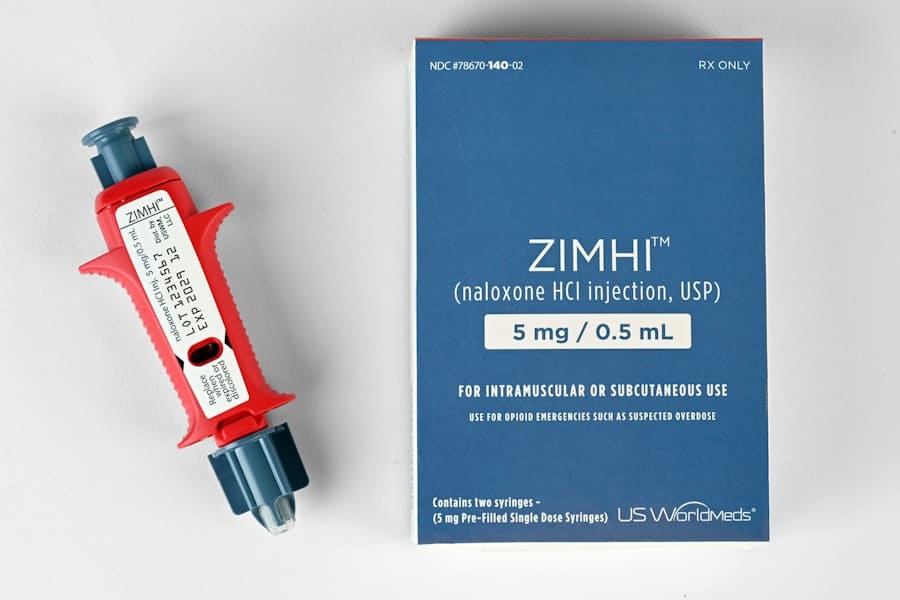
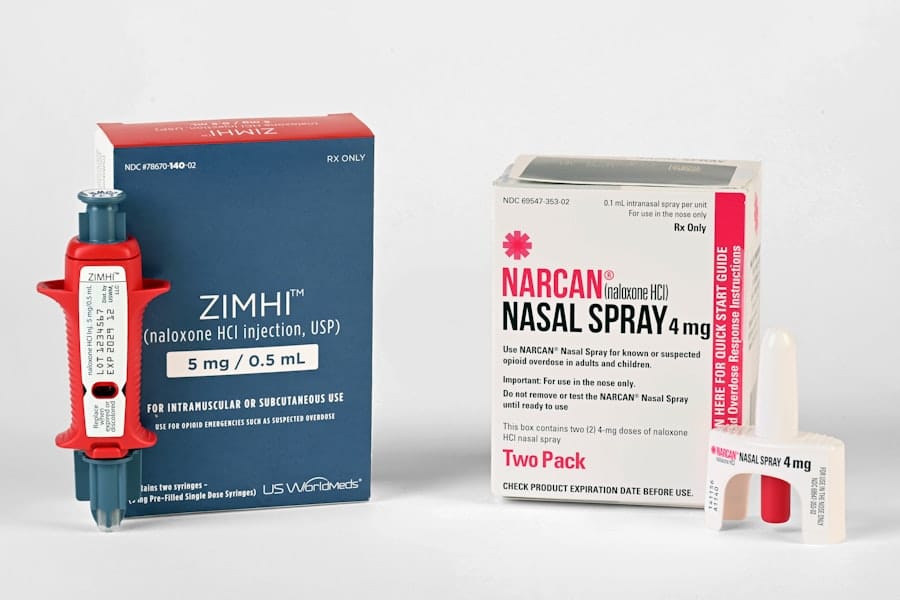
Naloxone, an opioid antagonist that can reverse the effects of an overdose, has become a critical tool in Chicago’s fight against opioid-related fatalities. You may be relieved to know that naloxone is widely available throughout the city, with numerous organizations distributing it free of charge. This accessibility empowers individuals, families, and community members to take proactive measures in preventing overdose deaths.
By equipping people with naloxone and training them on its use, Chicago is fostering a culture of safety and support. Harm reduction programs also play a vital role in addressing the opioid crisis. These initiatives focus on minimizing the negative consequences associated with drug use rather than solely aiming for abstinence.
You might find it inspiring that many organizations offer syringe exchange programs, safe consumption spaces, and counseling services designed to meet individuals where they are in their recovery journey. By prioritizing harm reduction strategies, Chicago is taking significant steps toward creating a more compassionate and effective response to addiction.
Impact of the COVID-19 Pandemic on Opioid Overdose Rates
The COVID-19 pandemic has had far-reaching effects on various aspects of society, including an alarming increase in opioid overdose rates in Chicago. As you consider this impact, it’s important to recognize how isolation, economic instability, and disruptions to healthcare services have exacerbated existing vulnerabilities among individuals struggling with substance use disorders. The pandemic has created an environment where many people have turned to opioids as a coping mechanism for stress and anxiety.
Moreover, you may find it concerning that social distancing measures have hindered access to support networks and treatment programs. Many individuals who relied on group therapy or community resources found themselves cut off from essential services during lockdowns. This disruption has led to increased feelings of loneliness and despair, further fueling substance use and overdose rates.
As you reflect on these challenges, it becomes clear that addressing the impact of COVID-19 on addiction requires innovative solutions and a renewed commitment to supporting those affected.
Addressing Stigma and Barriers to Treatment for Opioid Use Disorder
Stigma surrounding substance use disorders remains one of the most significant barriers to treatment for individuals struggling with opioid addiction. You may have encountered misconceptions that perpetuate negative stereotypes about those affected by addiction, leading many individuals to feel ashamed or reluctant to seek help. This stigma can create a cycle of isolation and despair, making it even more challenging for individuals to access necessary resources.
Efforts to combat stigma are essential for fostering an environment where individuals feel safe seeking help without fear of judgment. Community education initiatives aimed at dispelling myths about addiction can play a crucial role in changing perceptions. By promoting understanding and empathy, you can contribute to creating a supportive atmosphere that encourages individuals to pursue treatment options without hesitation.
Outreach and Education Initiatives to Raise Awareness about Opioid Overdose Prevention
Outreach and education initiatives are vital components of Chicago’s strategy to raise awareness about opioid overdose prevention. You may be interested to learn about various campaigns aimed at informing residents about the signs of an overdose and how to respond effectively. These initiatives often involve partnerships with local organizations, schools, and community centers to ensure that information reaches diverse populations.
Workshops and training sessions are frequently held throughout the city to equip individuals with knowledge about naloxone administration and harm reduction practices. By actively engaging community members in these discussions, you can help foster a culture of awareness and preparedness that empowers individuals to take action when faced with an overdose situation.
Collaborations with Law Enforcement and Community Organizations
Collaboration between law enforcement agencies and community organizations is crucial for addressing the opioid crisis effectively. You may find it encouraging that many police departments in Chicago have adopted policies focused on treatment rather than punishment for individuals struggling with addiction. This shift reflects a growing recognition that addiction is a public health issue requiring compassionate responses rather than punitive measures.
Community organizations play an essential role in bridging gaps between law enforcement and those affected by addiction. By working together, these entities can develop comprehensive strategies that prioritize public safety while also addressing the underlying issues contributing to substance use disorders. As you consider these collaborations, it becomes evident that a united front is necessary for creating lasting change within communities.
Support for Individuals and Families Affected by Opioid Overdose
Supporting individuals and families affected by opioid overdose is paramount in addressing the crisis’s far-reaching consequences. You may be heartened to know that various support groups and counseling services are available throughout Chicago for those impacted by addiction or loss due to overdose. These resources provide safe spaces for individuals to share their experiences, seek guidance, and connect with others who understand their struggles.
Additionally, family members often bear the emotional burden of watching their loved ones grapple with addiction or cope with loss. Providing resources specifically tailored for families can help them navigate their feelings while also learning how best to support their loved ones on their recovery journeys. By fostering a sense of community among those affected by opioid use disorder, you can contribute to healing and resilience within families.
Looking Ahead: Strategies for Long-Term Solutions to the Opioid Crisis in Chicago
As you contemplate the future of Chicago’s response to the opioid crisis, it becomes clear that long-term solutions require sustained commitment from all sectors of society. Comprehensive strategies must encompass prevention, treatment access, harm reduction efforts, and ongoing education initiatives aimed at reducing stigma surrounding addiction. You may find it encouraging that many stakeholders are already working collaboratively toward these goals.
Investing in mental health services alongside substance use disorder treatment will be crucial for addressing underlying issues contributing to addiction. Additionally, continued advocacy for policy changes at local and state levels can help ensure that resources are allocated effectively toward combating this crisis. By remaining engaged in conversations about solutions and supporting initiatives aimed at creating lasting change, you can play an active role in shaping a healthier future for Chicago as it navigates its way through this challenging landscape.
In light of the recent warnings from Chicago’s health officials about the rising opioid overdose rates, it’s crucial to consider the broader implications on community health and safety. While the opioid crisis poses a significant challenge, it is also essential to recognize other factors that contribute to the well-being of Chicago’s residents. For instance, housing stability plays a critical role in public health. An article discussing the