As I delve into the intricate landscape of Chicago’s immigration policy, I find myself reflecting on the city’s rich tapestry woven from diverse cultures and backgrounds. Chicago has long been a beacon for immigrants seeking refuge and opportunity, and its policies have evolved in response to the changing dynamics of immigration. The city’s approach to immigration is not merely a bureaucratic framework; it embodies the values of inclusivity and support for those who contribute to the vibrant life of the city.
Understanding Chicago’s immigration policy requires an exploration of its historical context, the role of enforcement agencies, and the ongoing efforts to create a welcoming environment for all residents. In recent years, the conversation surrounding immigration has intensified, particularly with the rise of federal enforcement actions. Chicago’s response has been multifaceted, balancing the need for public safety with the imperative to protect vulnerable immigrant populations.
As I navigate through this article, I aim to shed light on how Chicago has positioned itself as a sanctuary city, the implications of its policies, and the challenges it faces in safeguarding its immigrant community from federal immigration enforcement.
Key Takeaways
- Chicago has a long history of immigration and has been a sanctuary city since 1985.
- ICE plays a significant role in immigration enforcement in Chicago, leading to challenges for the immigrant community.
- The Welcoming City Ordinance was created to protect immigrants and limit cooperation with ICE.
- Chicago faces legal and constitutional issues in implementing its immigration policy.
- Collaboration with community organizations and advocacy groups has been crucial in protecting immigrants from ICE.
Historical Context of Immigration in Chicago
To truly appreciate Chicago’s current immigration policy, I must first examine its historical context. The city has been a destination for immigrants since its founding in the 19th century. Waves of newcomers from Europe, Asia, and Latin America have shaped Chicago’s identity, contributing to its economic growth and cultural richness.
The Great Migration, which saw millions of African Americans move from the rural South to urban centers like Chicago, further diversified the city’s demographic landscape. Each wave of immigration brought unique challenges and opportunities, influencing public perception and policy responses. As I reflect on this history, I recognize that Chicago’s immigration narrative is marked by both acceptance and resistance.
The early 20th century saw the establishment of various immigrant communities, each fostering their own cultural identities while also facing discrimination and exclusion. The city’s response to these challenges has evolved over time, with policies shifting in accordance with national trends and local needs. Understanding this historical backdrop is crucial for grasping how Chicago’s immigration policy has developed into a framework that seeks to protect and empower its immigrant residents.
The Role of ICE in Immigration Enforcement
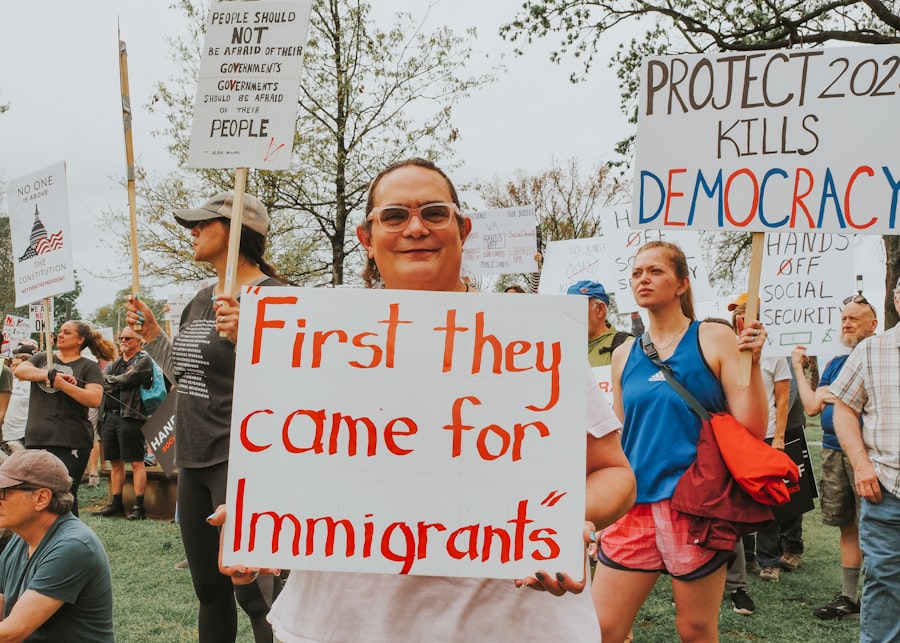
The presence of U.S. Immigration and Customs Enforcement (ICE) looms large over the immigrant community in Chicago. As I explore this topic, I am struck by the duality of ICE’s role: while it is tasked with enforcing immigration laws, its actions often instill fear among undocumented immigrants and their families.
The agency’s aggressive tactics, including raids and detentions, have created an atmosphere of anxiety that permeates neighborhoods across the city. For many immigrants, the threat of deportation is a constant reality that shapes their daily lives. In my examination of ICE’s role in immigration enforcement, I cannot overlook the impact of its policies on community trust.
Many immigrants are reluctant to engage with local law enforcement or access essential services due to fears that their information may be shared with ICE. This chilling effect undermines public safety and hinders efforts to build cohesive communities. As I consider these dynamics, it becomes clear that Chicago’s immigration policy must navigate the complexities introduced by ICE’s presence while striving to foster an environment where all residents feel safe and supported.
Chicago’s Sanctuary City Status
Chicago’s designation as a sanctuary city is a significant aspect of its immigration policy that reflects its commitment to protecting immigrant rights. This status signals to residents that the city prioritizes inclusivity and safety over compliance with federal immigration enforcement. As I explore this designation, I am reminded of the powerful message it sends: that Chicago stands with its immigrant community against unjust deportation practices.
The sanctuary city status also comes with its own set of challenges. While it provides some level of protection for undocumented immigrants, it does not completely shield them from ICE actions. As I consider the implications of this status, I recognize that it serves as both a symbol of resistance and a practical framework for local policies aimed at safeguarding immigrant rights.
The ongoing debate surrounding sanctuary cities highlights the tension between local autonomy and federal authority, a dynamic that continues to shape Chicago’s approach to immigration.
Creation and Implementation of the Welcoming City Ordinance
The Welcoming City Ordinance represents a pivotal moment in Chicago’s efforts to create a more inclusive environment for immigrants. As I delve into its creation and implementation, I see how this ordinance was designed to limit cooperation between local law enforcement and ICE, thereby reducing the risk of deportation for undocumented residents. The ordinance reflects a broader commitment to ensuring that all individuals, regardless of their immigration status, can access essential services without fear.
In practice, the Welcoming City Ordinance has led to tangible changes in how city agencies interact with immigrants. For instance, it prohibits city employees from inquiring about an individual’s immigration status unless required by law. This shift not only protects vulnerable populations but also fosters trust between immigrant communities and local authorities.
As I reflect on these developments, I recognize that the ordinance is more than just a legal framework; it embodies Chicago’s values of compassion and solidarity in the face of adversity.
Challenges Faced by Chicago in Protecting Immigrants from ICE
Despite its progressive policies, Chicago faces significant challenges in protecting immigrants from ICE enforcement actions. As I analyze these obstacles, I am struck by the complexities involved in balancing public safety with the need for immigrant protection. One major challenge is the ongoing tension between local law enforcement agencies and federal authorities.
While Chicago has implemented policies aimed at limiting cooperation with ICE, there are still instances where local police may inadvertently assist in federal enforcement efforts. Moreover, the political climate surrounding immigration has become increasingly polarized, complicating efforts to advocate for immigrant rights. As I consider these challenges, I am reminded that advocacy groups and community organizations play a crucial role in navigating this landscape.
They work tirelessly to raise awareness about immigrant rights and provide support to those affected by ICE actions. However, their efforts are often met with resistance from those who view immigration through a lens of fear rather than understanding.
Collaboration with Community Organizations and Advocacy Groups
Collaboration with community organizations and advocacy groups is essential for Chicago’s immigration policy to be effective in protecting its immigrant population. As I explore this collaboration, I see how grassroots organizations have become vital allies in advocating for immigrant rights and providing resources to those in need. These organizations often serve as lifelines for undocumented immigrants, offering legal assistance, educational programs, and emotional support.
Through partnerships with local government agencies, these organizations have been able to amplify their impact. For instance, initiatives aimed at providing legal representation for immigrants facing deportation have gained traction through collaborative efforts between community groups and city officials. As I reflect on these partnerships, I recognize that they not only empower individuals but also foster a sense of belonging within the broader community.
By working together, Chicagoans are sending a powerful message: that they stand united in support of their immigrant neighbors.
Impact of Chicago’s Immigration Policy on the Immigrant Community
The impact of Chicago’s immigration policy on the immigrant community is profound and multifaceted. As I consider this impact, I am struck by how policies like the Welcoming City Ordinance have created a more supportive environment for undocumented residents. Many immigrants report feeling safer accessing public services such as healthcare and education without fear of deportation.
This sense of security is crucial for fostering community cohesion and encouraging participation in civic life. However, challenges remain despite these positive developments. The fear instilled by ICE enforcement actions continues to affect many immigrants’ daily lives.
As I engage with members of the immigrant community, I hear stories of families torn apart by deportation and individuals living in constant anxiety about their status. These experiences highlight the need for continued advocacy and support to ensure that all residents can thrive without fear or discrimination.
Legal and Constitutional Issues Surrounding Chicago’s Immigration Policy
As I delve into the legal and constitutional issues surrounding Chicago’s immigration policy, I encounter a complex web of challenges that reflect broader national debates about immigration law and local authority. One key issue is the tension between federal immigration enforcement and local policies designed to protect immigrant rights. Legal battles have emerged over whether cities like Chicago can enact ordinances that limit cooperation with ICE without violating federal law.
Additionally, constitutional questions arise regarding due process rights for undocumented immigrants facing deportation proceedings. As I explore these legal dimensions, it becomes clear that Chicago’s immigration policy operates within a contentious legal framework that requires careful navigation. The outcomes of these legal battles will have lasting implications not only for Chicago but also for other cities grappling with similar issues.
Comparison with Other Cities’ Efforts to Protect Immigrants from ICE
In examining Chicago’s approach to immigration policy, it is valuable to compare it with other cities’ efforts to protect immigrants from ICE enforcement actions. Cities like San Francisco and New York have also adopted sanctuary policies aimed at safeguarding their immigrant populations. However, each city’s approach reflects its unique political landscape and community needs.
As I analyze these comparisons, I notice that while some cities have implemented robust protections for undocumented immigrants, others face significant pushback from state governments or local law enforcement agencies resistant to sanctuary policies. This divergence highlights the importance of local context in shaping immigration policy responses. By learning from one another’s experiences, cities can develop more effective strategies for protecting their immigrant communities while navigating the complexities introduced by federal enforcement.
Future Outlook for Chicago’s Immigration Policy
Looking ahead, the future outlook for Chicago’s immigration policy remains uncertain yet hopeful. As I consider potential developments, I recognize that ongoing advocacy efforts will be crucial in shaping the trajectory of these policies. Community organizations will continue to play a vital role in raising awareness about immigrant rights and pushing for reforms that enhance protections against ICE enforcement.
Moreover, as public sentiment around immigration evolves, there may be opportunities for more comprehensive reforms at both local and national levels. The growing recognition of immigrants’ contributions to society could pave the way for more inclusive policies that prioritize human rights over punitive measures. As I reflect on this future outlook, I am reminded that while challenges persist, there is also immense potential for progress as communities come together to advocate for justice and equity in immigration policy.
In conclusion, my exploration of Chicago’s immigration policy reveals a complex interplay between history, enforcement dynamics, community collaboration, and legal considerations. The city’s commitment to protecting its immigrant population stands as a testament to its values of inclusivity and resilience amidst adversity. As I continue to engage with this topic, I remain hopeful that through collective action and advocacy, Chicago can further strengthen its position as a sanctuary city dedicated to supporting all residents regardless of their immigration status.
In recent years, Chicago has been at the forefront of efforts to protect immigrants from ICE, implementing various policies and initiatives to ensure the safety and rights of its immigrant population. This commitment is part of a broader strategy to foster a welcoming and inclusive environment for all residents, which is also reflected in the city’s vibrant business scene. For more insights into how Chicago’s diverse community contributes to its economic landscape, you can explore this related article: Exploring the Vibrant Business Scene of Chicago City. This piece delves into the dynamic interplay between Chicago’s immigrant communities and its thriving business sector, highlighting the city’s dedication to inclusivity and economic growth.
FAQs
What is the purpose of Chicago’s efforts to protect immigrants from ICE?
Chicago’s efforts to protect immigrants from ICE are aimed at creating a safe and welcoming environment for all residents, regardless of their immigration status. The city seeks to build trust between law enforcement and immigrant communities, and to ensure that immigrants have access to essential services without fear of deportation.
What specific measures has Chicago implemented to protect immigrants from ICE?
Chicago has implemented a “Welcoming City” ordinance, which limits the city’s cooperation with federal immigration enforcement. The city also provides legal support and resources for immigrants facing deportation, and has established a municipal ID program to provide identification for all residents, regardless of immigration status.
How does Chicago’s approach to protecting immigrants from ICE impact the community?
Chicago’s efforts to protect immigrants from ICE have helped to foster a sense of safety and inclusion within immigrant communities. By limiting cooperation with federal immigration enforcement and providing support services, the city has worked to ensure that all residents feel valued and supported, regardless of their immigration status.
What are the potential challenges or criticisms of Chicago’s efforts to protect immigrants from ICE?
Some critics argue that Chicago’s policies create a “sanctuary city” environment that undermines federal immigration laws and enforcement efforts. There are also concerns about the potential impact on public safety and the allocation of resources to support undocumented immigrants.