In recent years, the National Guard has taken on a controversial role in assisting the U.S. Immigration and Customs Enforcement (ICE) in various cities across the nation, including Chicago. This partnership has raised questions about the implications of military involvement in civil matters, particularly in immigration enforcement.
As you delve into this topic, you will discover how the National Guard’s presence in Chicago has evolved and what it means for both law enforcement and immigrant communities. The collaboration between these two entities is not merely a logistical arrangement; it reflects broader societal issues surrounding immigration policy, public safety, and community relations. The National Guard’s involvement in immigration enforcement is not a new phenomenon, but its visibility and scope have increased significantly in recent years.
In Chicago, a city known for its diverse immigrant population, the deployment of National Guard troops to assist ICE has sparked intense debate. You will find that this partnership is often framed within the context of national security and public safety, yet it also raises critical questions about civil rights and the treatment of vulnerable populations. As you explore this complex issue, consider how the National Guard’s role intersects with local communities and the broader implications for immigration policy in the United States.
Key Takeaways
- The National Guard has been deployed to assist ICE in Chicago, taking on immigration enforcement responsibilities.
- The National Guard’s involvement with ICE in Chicago has sparked controversy and raised legal implications.
- Political and public response to the National Guard’s assistance to ICE has been mixed, with concerns about impact on immigrant communities.
- National Guard troops undergo training and preparation for immigration enforcement duties, but coordination with ICE is a point of concern.
- The long-term effects of the National Guard’s involvement with ICE in Chicago remain uncertain, with potential impact on immigrant communities and legal implications.
The National Guard’s deployment and responsibilities in immigration enforcement
When the National Guard is deployed to assist ICE in Chicago, their responsibilities can vary widely. Typically, their role includes providing logistical support, surveillance, and intelligence gathering to aid ICE agents in their operations. You may find it interesting that while the National Guard does not have the authority to make arrests or conduct immigration raids independently, their presence can significantly bolster ICE’s capabilities.
This partnership often involves coordination with local law enforcement agencies, which can lead to a more extensive reach in immigration enforcement efforts. The deployment of National Guard troops is often justified by citing the need for enhanced security and the management of resources during times of heightened immigration activity. You might consider how this rationale plays into broader narratives about border security and public safety.
However, it is essential to recognize that this deployment can also create an atmosphere of fear within immigrant communities, as the presence of military personnel can be intimidating and may deter individuals from seeking help or reporting crimes. The duality of their role—serving both as protectors and enforcers—adds layers of complexity to their involvement in immigration matters.
Controversy surrounding the National Guard’s involvement with ICE in Chicago
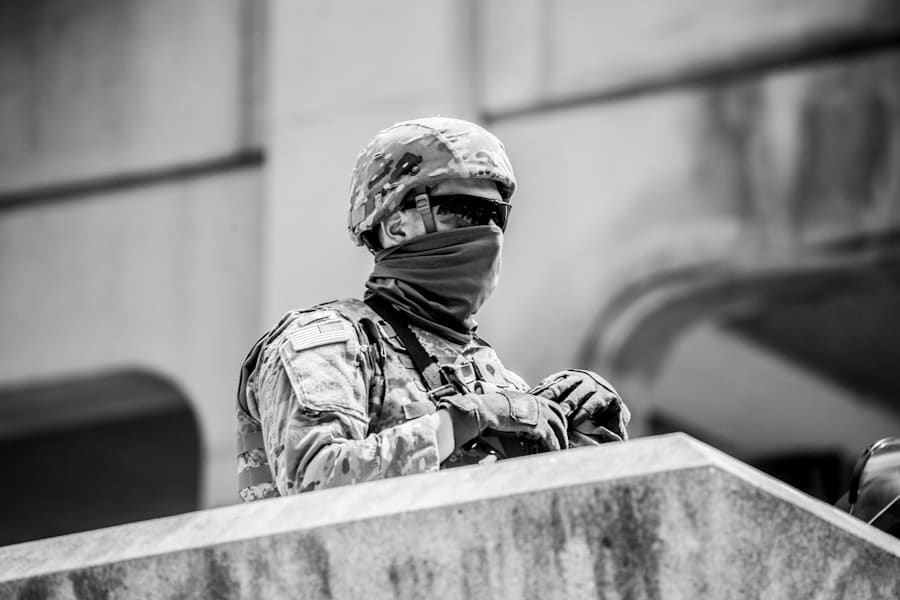
The collaboration between the National Guard and ICE has not been without controversy. Many community advocates argue that this partnership exacerbates existing tensions between law enforcement and immigrant populations. You may find that critics contend that involving military personnel in immigration enforcement blurs the lines between civil and military authority, raising concerns about civil liberties and human rights violations.
The fear of deportation looms large for many immigrants, and the presence of the National Guard can amplify these anxieties. Moreover, there are concerns about the potential for racial profiling and discrimination when military personnel are involved in immigration enforcement. You might reflect on how this dynamic can lead to a breakdown of trust between immigrant communities and law enforcement agencies.
The implications of such distrust can be profound, affecting not only community safety but also the willingness of individuals to engage with public services. As you consider these controversies, think about how they reflect broader societal attitudes toward immigration and the role of government in enforcing immigration laws.
Political and public response to the National Guard’s assistance to ICE
The political landscape surrounding the National Guard’s assistance to ICE in Chicago is deeply polarized. On one hand, supporters argue that this collaboration is necessary for maintaining order and ensuring public safety. They often frame their arguments around national security concerns and the need to uphold immigration laws.
You may notice that proponents emphasize the importance of having a coordinated response to immigration issues, viewing the National Guard as a vital resource in this effort. Conversely, opponents of this collaboration express strong disapproval, viewing it as an overreach of government power that disproportionately impacts marginalized communities. Public protests and advocacy campaigns have emerged in response to the National Guard’s involvement with ICE, highlighting concerns about human rights abuses and the militarization of immigration enforcement.
As you explore these responses, consider how they reflect broader societal divisions regarding immigration policy and enforcement practices.
Legal implications of the National Guard’s collaboration with ICE in Chicago
The legal framework governing the National Guard’s involvement with ICE is complex and multifaceted. You may find it intriguing that while the National Guard operates under state authority, its collaboration with federal agencies like ICE raises questions about jurisdiction and legal authority. The Posse Comitatus Act, which restricts the use of federal military personnel for domestic law enforcement purposes, complicates this relationship further.
Although the National Guard can be deployed for certain law enforcement activities under state orders, its role in immigration enforcement remains contentious. Legal challenges have emerged as community organizations seek to contest the legality of such collaborations. You might consider how these challenges reflect broader concerns about civil rights and due process for immigrants facing deportation.
The intersection of state and federal law creates a legal gray area that complicates accountability for actions taken by National Guard troops in support of ICE operations. As you examine these legal implications, think about how they shape the ongoing debate over immigration enforcement practices in Chicago.
Impact on immigrant communities in Chicago
The impact of the National Guard’s involvement with ICE on immigrant communities in Chicago is profound and multifaceted. For many individuals living in these communities, the presence of military personnel can create an atmosphere of fear and uncertainty. You may find that this fear is not unfounded; reports of increased surveillance and aggressive enforcement tactics have led many immigrants to feel vulnerable and isolated.
The psychological toll on these communities can be significant, affecting mental health and overall well-being. Moreover, you might consider how this environment influences community dynamics. The fear of deportation can deter individuals from seeking essential services such as healthcare or legal assistance, further marginalizing already vulnerable populations.
The chilling effect on community engagement can lead to a breakdown of trust between immigrants and local institutions, including schools and healthcare providers. As you reflect on these impacts, think about how they contribute to a broader narrative about immigration policy and its effects on society.
Training and preparation of National Guard troops for immigration enforcement duties
The training and preparation of National Guard troops for their roles in immigration enforcement are critical components of their deployment strategy. You may find it interesting that while these troops receive military training focused on combat readiness, their preparation for immigration-related duties often includes specialized instruction on cultural sensitivity and legal protocols related to immigration law. This training aims to equip them with the skills necessary to navigate complex interactions with immigrant communities while adhering to legal standards.
However, you might also consider whether this training is sufficient given the complexities of immigration enforcement. Critics argue that military training may not adequately prepare troops for the nuanced realities of working within civilian populations, particularly those who may be fearful or distrustful of law enforcement. As you explore this aspect of their deployment, think about how effective training could influence outcomes for both National Guard personnel and immigrant communities.
Coordination between the National Guard and ICE in Chicago
Effective coordination between the National Guard and ICE is essential for ensuring that operations run smoothly and efficiently. You may find it noteworthy that this coordination often involves regular communication between command structures at both state and federal levels. Joint operations may include sharing intelligence, resources, and personnel to maximize effectiveness during enforcement actions.
This collaboration can enhance operational capabilities but also raises questions about accountability and oversight. As you examine this coordination process, consider how it impacts local law enforcement agencies as well. The integration of military resources into civilian law enforcement efforts can create challenges related to jurisdictional authority and community relations.
You might reflect on how effective coordination could mitigate some of these challenges while also recognizing that it may inadvertently contribute to tensions within immigrant communities.
Potential long-term effects of the National Guard’s involvement with ICE in Chicago
The long-term effects of the National Guard’s involvement with ICE in Chicago are still unfolding but could have significant implications for both law enforcement practices and immigrant communities. You may find it concerning that continued military involvement in immigration enforcement could normalize such practices within civilian contexts, leading to a more militarized approach to policing overall. This normalization could reshape public perceptions of law enforcement agencies and their roles within communities.
Additionally, you might consider how these long-term effects could influence future policy decisions regarding immigration enforcement at both state and federal levels. If military involvement becomes entrenched as a standard practice, it could hinder efforts toward comprehensive immigration reform or more humane approaches to immigration policy. As you reflect on these potential outcomes, think about how they align with broader societal values regarding justice, equity, and human rights.
Comparison to previous instances of the National Guard’s involvement in immigration enforcement
To better understand the current situation in Chicago, it is helpful to compare it with previous instances where the National Guard has been involved in immigration enforcement across the United States. Historically, there have been moments when military forces were deployed to assist with border security or manage large-scale immigration crises. You may find it interesting that these past deployments often faced similar criticisms regarding civil liberties violations and community impacts.
In examining these historical precedents, you might consider how public sentiment has shifted over time regarding military involvement in domestic affairs. While some instances were met with support based on perceived security needs, others faced backlash due to concerns about human rights abuses and community trust issues. As you analyze these comparisons, think about what lessons can be drawn from past experiences to inform current discussions surrounding the National Guard’s role in immigration enforcement.
The future of the National Guard’s role in assisting ICE in Chicago
As you contemplate the future of the National Guard’s role in assisting ICE in Chicago, it becomes clear that this partnership will continue to evoke strong opinions from various stakeholders. The ongoing debates surrounding immigration policy, public safety, and civil rights will undoubtedly shape how this collaboration evolves over time. You may find it essential to consider how community voices can influence decision-making processes related to military involvement in civilian matters.
Ultimately, your exploration of this topic reveals a complex interplay between national security interests and individual rights within immigrant communities. As discussions continue around immigration reform and law enforcement practices, it will be crucial for policymakers to balance these competing interests thoughtfully. The future trajectory of the National Guard’s involvement with ICE will likely depend on public sentiment, legal challenges, and advocacy efforts aimed at ensuring justice for all individuals living within our borders.
In light of the recent developments where the National Guard has stepped in to assist ICE in Chicago, it’s important to consider the broader implications on community infrastructure and services. For instance, the increased presence of federal forces might impact local businesses and services, including those involved in home and community enhancements. An interesting related article discusses the best Chicago outdoor play equipment installation service, which highlights how local businesses are adapting to changing community needs and safety standards. You can read more about it here. This connection underscores the importance of maintaining robust local services amidst broader federal interventions.
FAQs
What is the National Guard’s role in assisting ICE in Chicago?
The National Guard has been deployed to assist Immigration and Customs Enforcement (ICE) in Chicago to provide additional support for immigration enforcement operations.
What specific tasks will the National Guard be performing in support of ICE in Chicago?
The National Guard will be providing logistical and administrative support to ICE, including transportation, surveillance, and administrative assistance.
Is the deployment of the National Guard to assist ICE in Chicago a common occurrence?
The deployment of the National Guard to assist ICE in immigration enforcement operations is not common and is typically reserved for situations where additional support is deemed necessary.
What is the purpose of the National Guard’s assistance to ICE in Chicago?
The purpose of the National Guard’s assistance to ICE in Chicago is to enhance the agency’s operational capabilities and provide additional resources to support immigration enforcement efforts in the region.
Are there any concerns or controversies surrounding the National Guard’s assistance to ICE in Chicago?
The deployment of the National Guard to assist ICE in Chicago has sparked concerns and controversies regarding the militarization of immigration enforcement and the potential impact on local communities.