Chicago has long been a beacon for immigrants seeking a new life in the United States. The city’s rich tapestry of cultures, languages, and traditions reflects the diverse backgrounds of its residents. As you walk through neighborhoods like Pilsen or Little Italy, you can feel the vibrancy that immigrants bring to the community.
This dynamic environment has made Chicago one of the most significant immigrant hubs in the country, with a population that includes individuals from Latin America, Asia, Europe, and beyond. However, the immigration landscape in Chicago is not without its challenges. The interplay between local policies, federal enforcement, and community responses shapes the experiences of immigrants in profound ways.
In recent years, the conversation around immigration has intensified, particularly with the involvement of federal agencies like Immigration and Customs Enforcement (ICE) and the National Guard. As you navigate this complex landscape, it becomes clear that the role of these entities is pivotal in shaping both the lives of immigrants and the broader community. The National Guard’s involvement in immigration enforcement has sparked debates about safety, legality, and ethics, raising questions about how these actions impact Chicago’s immigrant population.
Understanding this multifaceted issue requires a closer examination of the National Guard’s role and its implications for the city’s diverse communities.
Key Takeaways
- Chicago has a rich history of immigration and diversity, shaping the city’s cultural landscape.
- The National Guard’s collaboration with ICE in Chicago has raised legal and ethical concerns.
- The immigrant community in Chicago has responded with fear and resistance to the National Guard’s involvement in immigration enforcement.
- Public opinion on the National Guard’s involvement in immigration enforcement in Chicago is divided, with some supporting and others opposing it.
- The potential long-term effects of the National Guard’s involvement in immigration enforcement on Chicago’s immigration landscape remain uncertain.
National Guard’s Role in Immigration Enforcement
The National Guard has traditionally been associated with military duties and disaster response, but its role has expanded in recent years to include immigration enforcement. When you consider the National Guard’s involvement in this area, it becomes evident that their presence is often framed as a means to support federal immigration agencies like ICE. This support can manifest in various ways, including logistical assistance, surveillance operations, and even direct involvement in apprehending undocumented immigrants.
The rationale behind deploying the National Guard is often couched in terms of national security and public safety, but this perspective can overlook the nuanced realities faced by immigrant communities. As you delve deeper into this topic, it’s important to recognize that the National Guard’s involvement is not universally welcomed. Many view their presence as an escalation of enforcement tactics that disproportionately affect vulnerable populations.
The deployment of military personnel to assist in immigration enforcement raises significant concerns about the militarization of local communities and the potential for increased tensions between law enforcement and immigrant populations. This dynamic creates an environment where fear can permeate neighborhoods, leading to a chilling effect on community engagement and trust in public institutions.
Impact of National Guard’s Support on Chicago’s Immigration Landscape
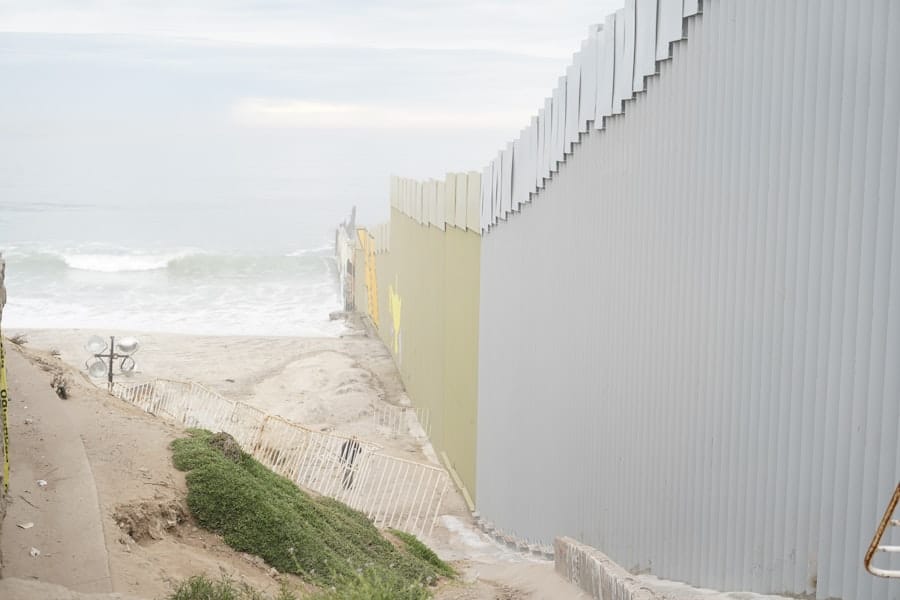
The impact of the National Guard’s support on Chicago’s immigration landscape is multifaceted and far-reaching. For many immigrants, the presence of military personnel in their communities can exacerbate feelings of vulnerability and fear. You may find that families are less likely to seek assistance from local services or report crimes when they perceive a heightened risk of deportation or detention.
This fear can lead to a breakdown in community cohesion, as individuals become wary of engaging with local law enforcement or government agencies that they once trusted. Moreover, the National Guard’s involvement can shift the focus of immigration enforcement from a targeted approach to a more indiscriminate one. When military personnel are deployed to assist ICE, it can lead to increased raids and checkpoints that disrupt daily life for many residents.
You might notice that neighborhoods become more tense and less welcoming as immigrants navigate their lives under the shadow of potential enforcement actions. This shift not only affects individual families but also has broader implications for Chicago’s economy and social fabric, as businesses may suffer from decreased patronage due to fear among immigrant customers.
Response from Chicago’s Immigrant Community
In response to the National Guard’s involvement in immigration enforcement, Chicago’s immigrant community has mobilized in various ways to assert their rights and advocate for change. Grassroots organizations have emerged to provide support and resources for those affected by immigration policies, offering legal assistance, counseling, and community education. You may find that these organizations play a crucial role in empowering immigrants to navigate the complexities of their situations while fostering a sense of solidarity among diverse groups.
Community responses also include protests and public demonstrations aimed at raising awareness about the implications of military involvement in immigration enforcement. As you observe these events, it becomes clear that many immigrants are not only fighting for their own rights but also standing in solidarity with others who face similar challenges. This collective action serves as a powerful reminder of the resilience and determination within Chicago’s immigrant communities, as they strive to create a more just and equitable environment for all residents.
Legal and Ethical Implications of National Guard’s Involvement in Immigration Enforcement
The legal and ethical implications of the National Guard’s involvement in immigration enforcement are complex and contentious. From a legal standpoint, questions arise regarding the authority of military personnel to engage in civilian law enforcement activities. You may find that critics argue that such actions violate constitutional protections against unreasonable searches and seizures, as well as due process rights for individuals facing deportation.
The intersection of military authority and civil rights raises significant concerns about accountability and oversight. Ethically, the deployment of the National Guard in immigration enforcement raises questions about the moral responsibilities of government entities toward vulnerable populations. You might consider whether it is justifiable to prioritize national security over human rights, particularly when those affected are often fleeing violence or persecution in their home countries.
The ethical implications extend beyond legal frameworks; they challenge us to reflect on our values as a society and how we treat those who seek refuge within our borders.
Chicago’s History of Immigration and Diversity

To fully understand the current immigration landscape in Chicago, it is essential to consider the city’s rich history of immigration and diversity. Since its founding, Chicago has been shaped by waves of immigrants who have contributed to its growth and development. From Irish and German settlers in the 19th century to more recent arrivals from Latin America and Asia, each group has left an indelible mark on the city’s cultural identity.
As you explore neighborhoods across Chicago, you can see how these diverse influences have created a vibrant mosaic that defines the city today. This historical context is crucial when examining contemporary immigration issues. You may find that understanding the struggles and triumphs of past immigrant groups provides valuable insights into current challenges faced by newcomers.
The resilience demonstrated by earlier generations serves as an inspiration for today’s immigrants as they navigate their own journeys toward integration and acceptance within Chicago’s diverse landscape.
Current Immigration Policies and Practices in Chicago
Current immigration policies and practices in Chicago reflect a complex interplay between local governance and federal mandates. The city has adopted various measures aimed at protecting its immigrant population, including sanctuary policies designed to limit cooperation with federal immigration authorities. As you consider these policies, it becomes clear that they are intended to foster trust between immigrant communities and local law enforcement, encouraging individuals to report crimes without fear of deportation.
However, these local policies exist within a broader national framework that often prioritizes enforcement over humanitarian considerations. You might observe that while Chicago strives to create an inclusive environment for immigrants, federal policies can undermine these efforts by imposing stricter enforcement measures. This tension between local initiatives and federal mandates creates an ongoing struggle for balance as communities work to protect their residents while navigating an increasingly hostile national climate.
National Guard’s Collaboration with ICE in Chicago
The collaboration between the National Guard and ICE in Chicago represents a significant shift in how immigration enforcement is conducted at the local level. This partnership often involves sharing resources, intelligence, and personnel to enhance enforcement efforts against undocumented immigrants. As you explore this collaboration further, it becomes evident that it raises concerns about transparency and accountability within both organizations.
You may find that this collaboration can lead to increased surveillance and policing practices that disproportionately target immigrant communities. The blending of military resources with civilian law enforcement raises questions about the appropriateness of such tactics in urban settings where community trust is essential for effective policing. As you reflect on these dynamics, it becomes clear that this partnership has profound implications for how immigrants experience safety and security within their neighborhoods.
Public Opinion on National Guard’s Involvement in Immigration Enforcement
Public opinion regarding the National Guard’s involvement in immigration enforcement is deeply divided. Some individuals view this collaboration as necessary for maintaining order and security within communities, believing that it helps address issues related to illegal immigration. You might encounter supporters who argue that such measures are essential for protecting jobs and resources for legal residents.
Conversely, many others vehemently oppose this involvement, viewing it as an infringement on civil liberties and an escalation of militarization within communities. You may find that opponents argue that deploying military personnel for domestic law enforcement purposes undermines democratic values and erodes trust between law enforcement agencies and immigrant populations. This division reflects broader societal debates about immigration policy and enforcement strategies, highlighting the complexities inherent in addressing such a contentious issue.
Potential Long-Term Effects on Chicago’s Immigration Landscape
The long-term effects of the National Guard’s involvement in immigration enforcement could reshape Chicago’s immigration landscape significantly. If current trends continue, you may witness a chilling effect on immigrant communities as fear becomes ingrained in daily life. This could lead to decreased participation in civic activities, reduced access to essential services, and a growing sense of isolation among immigrants.
Moreover, these dynamics could have lasting implications for Chicago’s economy as well. A decline in immigrant participation could stifle innovation and entrepreneurship within communities that have historically relied on diverse perspectives to drive growth. As you consider these potential outcomes, it becomes clear that addressing these issues requires thoughtful engagement from policymakers, community leaders, and residents alike.
The Future of Immigration in Chicago
As you reflect on the future of immigration in Chicago, it is evident that navigating this complex landscape will require collaboration among various stakeholders committed to fostering an inclusive environment for all residents. The challenges posed by the National Guard’s involvement in immigration enforcement underscore the need for ongoing dialogue about how best to balance security concerns with humanitarian considerations. Ultimately, your engagement with these issues can contribute to shaping a more equitable future for Chicago’s immigrant communities.
By advocating for policies that prioritize human rights while addressing legitimate security concerns, you can help ensure that Chicago remains a welcoming city for those seeking refuge from adversity. The path forward may be fraught with challenges, but through collective action and commitment to justice, there is hope for a brighter future where diversity is celebrated rather than feared.
In recent developments, Chicago’s immigration landscape is undergoing significant changes as the National Guard provides support to ICE operations. This shift has sparked discussions about the city’s approach to immigration and community safety. For those interested in exploring more about Chicago’s diverse community services, you might find it intriguing to read about the best Chicago neighborhood pet stores. This article highlights local businesses that contribute to the vibrant and inclusive atmosphere of Chicago’s neighborhoods, reflecting the city’s commitment to supporting diverse community needs amidst evolving immigration policies.
FAQs
What is the National Guard’s role in supporting ICE in Chicago’s immigration landscape?
The National Guard has been deployed to support Immigration and Customs Enforcement (ICE) in Chicago to assist with immigration enforcement operations.
How has Chicago’s immigration landscape transformed with the National Guard’s ICE support?
The presence of the National Guard supporting ICE in Chicago has led to increased enforcement and surveillance activities in the city, impacting the local immigrant community.
What are the implications of the National Guard’s involvement in immigration enforcement in Chicago?
The National Guard’s support of ICE in Chicago has raised concerns about the militarization of immigration enforcement and its impact on immigrant communities, as well as potential civil rights violations.