In recent years, the conflict surrounding immigration policies in the United States has intensified, particularly in urban centers like Chicago. As a city with a rich tapestry of immigrant communities, Chicago has become a focal point for debates over immigration enforcement, civil rights, and community safety. You may find yourself grappling with the complexities of this issue, as it intertwines with national politics, local governance, and the lives of countless individuals seeking a better future.
The tension between federal immigration enforcement and local policies has created a battleground where the rights of immigrants are constantly being tested. The situation is further complicated by the diverse perspectives held by various stakeholders, including government officials, law enforcement agencies, immigrant advocacy groups, and the general public. Each group brings its own set of beliefs and experiences to the table, making it essential for you to understand the nuances of this conflict.
As you delve deeper into the intricacies of immigration enforcement in Chicago, you will uncover the layers of fear, hope, and resilience that characterize the immigrant experience in this vibrant city.
Key Takeaways
- Chicago has a significant immigrant population and has been at the center of the debate over immigration policies and enforcement.
- ICE has implemented strict policies in Chicago, leading to increased fear and uncertainty among immigrant communities.
- Chicago has declared itself a sanctuary city, offering some protection to undocumented immigrants, but ICE raids and deportations still occur.
- ICE raids and deportations in Chicago have had a profound impact on immigrant communities, causing fear, trauma, and family separation.
- Legal and advocacy efforts in Chicago have been crucial in providing support and protection for immigrant communities, but concerns about human rights violations and civil liberties persist.
Immigration and Customs Enforcement (ICE) Policies in Chicago
Immigration and Customs Enforcement (ICE) plays a pivotal role in shaping the landscape of immigration enforcement across the United States, including in Chicago. You may be aware that ICE’s primary mission is to enforce immigration laws and ensure national security. However, its methods and policies have sparked significant controversy.
In Chicago, ICE has been known to conduct raids and detain individuals suspected of being undocumented immigrants, often leading to widespread fear within communities. The tactics employed by ICE can be aggressive, with agents sometimes entering homes without warrants or conducting operations in public spaces. As you explore ICE’s policies in Chicago, it becomes clear that these actions have far-reaching implications.
The agency’s presence can create an atmosphere of anxiety among immigrant populations, who may feel compelled to avoid public services or report crimes for fear of deportation. This chilling effect not only undermines community trust but also complicates relationships between immigrants and law enforcement. You might find it troubling that such policies can lead to a cycle of fear that ultimately harms public safety and community cohesion.
Chicago’s Sanctuary City Status
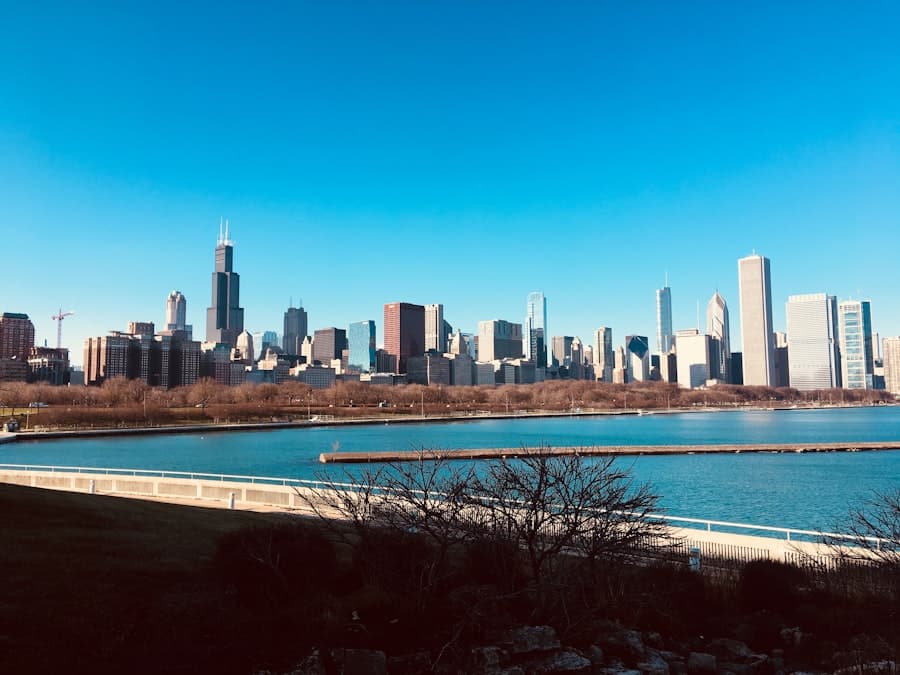
Chicago’s designation as a sanctuary city adds another layer to the ongoing conflict surrounding immigration enforcement. As a sanctuary city, Chicago has implemented policies aimed at protecting undocumented immigrants from deportation by limiting cooperation with federal immigration authorities. You may appreciate that this status is intended to foster a sense of safety and belonging for all residents, regardless of their immigration status.
By prioritizing community trust over federal enforcement, Chicago aims to create an environment where immigrants can thrive without the constant threat of deportation looming over them. However, this sanctuary status has not come without its challenges. You might consider how local officials navigate the delicate balance between upholding their commitment to immigrant communities and responding to federal pressure.
The tension between sanctuary policies and ICE operations often leads to heated debates among politicians and community members alike. As you reflect on this dynamic, it becomes evident that the sanctuary city status is both a protective measure for immigrants and a point of contention in the broader national conversation about immigration reform.
ICE Raids and Deportations in Chicago
The reality of ICE raids and deportations in Chicago paints a stark picture of the challenges faced by immigrant communities. You may have heard stories of families torn apart overnight as loved ones are taken away by ICE agents during targeted operations. These raids often occur in neighborhoods where immigrant populations reside, creating an atmosphere of fear that permeates daily life.
The impact of such actions extends beyond individual families; entire communities can feel the repercussions as trust erodes and social networks are disrupted. As you consider the implications of these raids, it’s important to recognize the emotional toll they take on those affected. You might empathize with individuals who live in constant fear of being separated from their families or losing their livelihoods due to deportation.
The psychological effects can be profound, leading to anxiety, depression, and a sense of hopelessness among those who feel they have no recourse against an unpredictable system. In this context, you may find yourself questioning the morality of such enforcement practices and their long-term consequences for society as a whole.
Impact on Immigrant Communities
The impact of ICE policies and raids on immigrant communities in Chicago is multifaceted and deeply felt. You may observe that fear permeates every aspect of life for many undocumented immigrants, affecting their ability to access healthcare, education, and employment opportunities. When individuals are afraid to seek medical attention or report crimes due to the risk of deportation, it creates a ripple effect that undermines community well-being.
This fear can lead to increased isolation and vulnerability among immigrant populations, making them targets for exploitation. Moreover, you might consider how these policies exacerbate existing inequalities within society. Immigrant communities often face systemic barriers that limit their access to resources and support systems.
When combined with the threat of deportation, these challenges can become insurmountable for many families. As you reflect on this reality, it becomes clear that addressing the needs of immigrant communities requires not only policy changes but also a commitment to fostering inclusivity and understanding within society.
Legal and Advocacy Efforts in Chicago
In response to the challenges posed by ICE policies and raids, numerous legal and advocacy efforts have emerged in Chicago aimed at protecting immigrant rights. You may find it inspiring to learn about organizations that provide legal assistance to individuals facing deportation or those seeking to navigate the complex immigration system. These organizations often work tirelessly to educate communities about their rights and offer support during legal proceedings.
By empowering individuals with knowledge and resources, they help mitigate some of the fear associated with immigration enforcement. Additionally, advocacy groups play a crucial role in raising awareness about the injustices faced by immigrant communities. You might appreciate how these organizations mobilize grassroots efforts to push for policy changes at both local and national levels.
Through protests, campaigns, and community outreach initiatives, they strive to amplify the voices of those directly affected by immigration enforcement. As you explore these efforts further, you may come to understand the importance of solidarity in advocating for systemic change.
Public Opinion and Political Response
Public opinion regarding immigration enforcement in Chicago is diverse and often polarized. You may notice that some residents support strict immigration policies as a means of ensuring national security, while others advocate for more compassionate approaches that prioritize human rights. This divide can lead to heated debates within communities and among political leaders.
As you engage with different perspectives on this issue, it becomes evident that public sentiment is influenced by personal experiences, cultural backgrounds, and media portrayals of immigration. Political responses to immigration enforcement in Chicago have also varied significantly over time. You might observe how local leaders have taken stances that reflect their constituents’ views while navigating pressures from federal authorities.
Some politicians have championed sanctuary policies as a means of protecting vulnerable populations, while others have called for increased cooperation with ICE. This complex political landscape underscores the challenges faced by elected officials as they attempt to balance competing interests while remaining accountable to their constituents.
Human Rights Violations and Civil Liberties Concerns
The conflict surrounding immigration enforcement in Chicago raises significant concerns about human rights violations and civil liberties. You may find it troubling that many individuals facing deportation are denied due process or adequate legal representation during their proceedings. The expedited nature of some deportation processes can leave little room for individuals to present their cases or appeal decisions effectively.
As you consider these issues, it becomes clear that systemic flaws within the immigration system can lead to unjust outcomes for those caught in its web. Moreover, you might reflect on how these practices disproportionately affect marginalized communities. Racial profiling and discrimination can play a role in determining who is targeted by ICE operations, raising questions about equity and justice within the system.
As you delve deeper into these concerns, you may come to understand that addressing human rights violations requires not only legal reforms but also a broader societal commitment to upholding dignity and respect for all individuals.
Community Support and Solidarity
In the face of adversity, many communities in Chicago have come together to support one another amid the challenges posed by immigration enforcement. You may find it heartening to learn about grassroots initiatives aimed at providing resources and assistance to immigrant families affected by ICE raids or deportations. These efforts often involve collaboration between various organizations, faith groups, and community members who share a common goal: fostering solidarity among those impacted by unjust policies.
As you explore these community support networks further, you might appreciate how they create safe spaces for dialogue and healing. By offering emotional support, legal resources, and practical assistance, these initiatives help individuals navigate the complexities of their situations while reinforcing a sense of belonging within their communities. In times of crisis, such solidarity can be a powerful force for resilience and hope.
The Role of Law Enforcement and Local Government
The role of law enforcement and local government in addressing immigration enforcement issues is critical yet complex. You may recognize that police departments in Chicago have adopted policies aimed at limiting cooperation with ICE in order to build trust within immigrant communities. By refraining from acting as an extension of federal immigration authorities, local law enforcement seeks to encourage individuals to report crimes without fear of deportation repercussions.
However, this approach is not without its challenges. You might consider how local officials navigate pressures from both federal authorities advocating for stricter enforcement and community members calling for protection from deportation threats. The delicate balance between maintaining public safety and respecting civil liberties can create tension within law enforcement agencies as they strive to fulfill their duties while remaining accountable to all residents.
Looking Towards the Future: Potential Resolutions and Outcomes
As you contemplate the future of immigration enforcement in Chicago, it becomes clear that potential resolutions will require collaboration among various stakeholders. You may envision a scenario where local governments work alongside advocacy groups to develop comprehensive policies that prioritize human rights while addressing public safety concerns. Such collaborative efforts could pave the way for meaningful reforms that protect vulnerable populations while fostering community trust.
Moreover, you might consider how public awareness campaigns can play a role in shaping attitudes toward immigration issues. By promoting understanding and empathy among residents, these initiatives could help bridge divides within communities and foster a more inclusive environment for all individuals—regardless of their immigration status. As you reflect on these possibilities, it becomes evident that creating lasting change will require collective action rooted in compassion and solidarity.
In conclusion, navigating the complexities surrounding immigration enforcement in Chicago demands an understanding of various perspectives and experiences. As you engage with this multifaceted issue, you will uncover stories of resilience amid adversity while recognizing the urgent need for systemic change that upholds human rights for all individuals living within our communities.
In the ongoing struggle for human rights, the city of Chicago has taken a firm stand against the practices of Immigration and Customs Enforcement (ICE), highlighting the city’s commitment to protecting its immigrant communities. This battle is not only about legal and political maneuvers but also about preserving the cultural and social fabric that makes Chicago unique. For those interested in exploring more about what makes this city special, you might want to discover the charm of Chicago, which delves into the diverse and vibrant aspects of the city that are worth celebrating and protecting.
FAQs
What is the article “Chicago vs. ICE: A Battle for Human Rights” about?
The article “Chicago vs. ICE: A Battle for Human Rights” discusses the ongoing conflict between the city of Chicago and the U.S. Immigration and Customs Enforcement (ICE) regarding immigration policies and human rights.
What are the main points of contention between Chicago and ICE?
The main points of contention between Chicago and ICE revolve around the city’s sanctuary policies, which limit cooperation with federal immigration authorities, and ICE’s efforts to enforce immigration laws within the city.
How have Chicago’s sanctuary policies impacted its relationship with ICE?
Chicago’s sanctuary policies have strained its relationship with ICE, as the city has limited its cooperation with federal immigration authorities and has taken steps to protect undocumented immigrants within its jurisdiction.
What are the human rights implications of the conflict between Chicago and ICE?
The conflict between Chicago and ICE has significant human rights implications, as it raises questions about the treatment of undocumented immigrants, the impact of immigration enforcement on communities, and the rights of local governments to set their own policies regarding immigration.
What are some potential outcomes of the battle between Chicago and ICE?
Potential outcomes of the battle between Chicago and ICE include legal challenges to the city’s sanctuary policies, changes in federal immigration enforcement priorities, and continued debate over the rights of local governments to establish their own immigration policies.